
Today, there are still clinics where the electronic health record works only as a space to store information. However, when the system is slow, bureaucratic, and poorly integrated into the team’s routine, it ends up increasing rework and making patient care more difficult.
At the same time, growing clinics need to manage more complex operations, larger teams, and an increasing volume of information. When this happens and the electronic health record cannot keep up, appointments take longer, information becomes decentralized, and professionals spend part of the consultation searching for data or completing repetitive tasks.
In this article, you will understand what makes an electronic health record truly productive and how technology can help make clinical routines more organized, faster, and safer.
Why do many electronic health records still slow down clinical operations?
Not every electronic health record improves clinic productivity. In many cases, the system simply replaces paper records without solving important operational issues.
Platforms with too many steps, limited customization, and poor integration often make routines slower and more dependent on manual processes. This directly impacts patient care, since professionals waste time searching for information or completing repetitive tasks.
In addition, as clinics grow, these problems become even more significant. The number of appointments increases, teams become larger, and operational control requires more agility and standardization.
The main problems with unproductive electronic health records
Slow performance during appointments
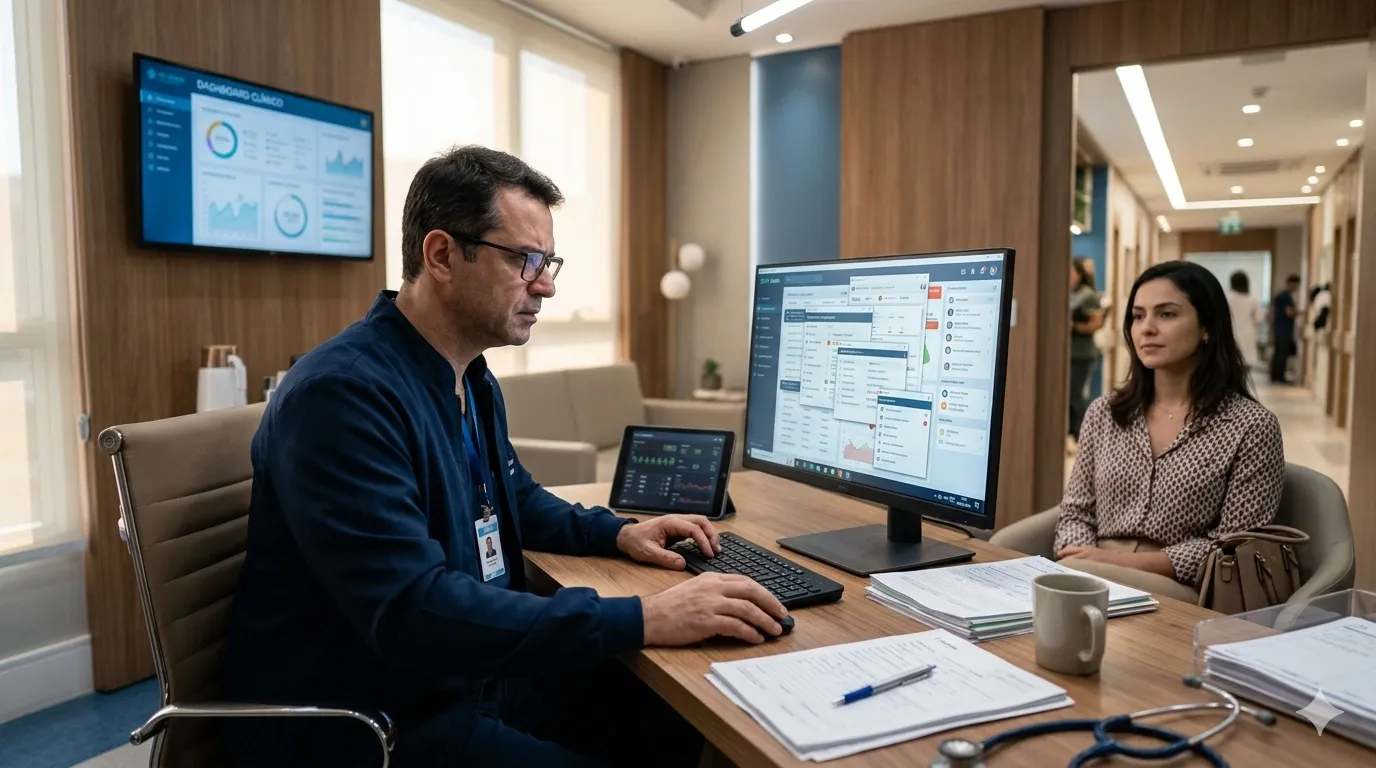
One of the most common issues is slow performance during consultations. When professionals need to open multiple screens or repeat information, appointments become more time-consuming and exhausting.
This directly impacts team productivity and scheduling flow, since small delays can compromise the clinic’s entire routine.
In addition, patients notice when professionals spend more time dealing with the system than focusing on the consultation itself. That is why the electronic health record must be fast, organized, and easy to use on a daily basis.
Lack of customization for different specialties
Each medical specialty has a different workflow, and a generic electronic health record can end up making care more difficult instead of helping. When the system does not adapt to the clinic’s needs, teams rely on manual adjustments, increasing rework and reducing productivity.
For this reason, more organized clinics usually work with customized protocols, specialty-specific forms, and templates adapted to each type of appointment, making records faster and more standardized.
Decentralized information
Another common problem is the lack of centralized information. When clinical history, prescriptions, and documents are scattered across different parts of the system, teams waste time trying to locate important data.
Besides making routines more difficult, this also increases the risk of communication failures between professionals, especially in multidisciplinary clinics. That is why it is important for the electronic health record to function as a centralized and easy-to-manage environment.
Difficulty monitoring patient progress
Many clinics still struggle to track patient progress in a practical way. When records exist only as long blocks of text with little visual organization, clinical follow-up becomes less efficient and makes professionals’ routines more difficult.
Care dashboards, progress indicators, and organized patient histories help make clinical analysis faster and more objective. In addition, these resources support long-term treatment monitoring.

Lack of integration between departments
In some clinics, the electronic health record operates separately from scheduling, financial management, and reception workflows. As a result, teams need to repeat information across different processes throughout the day.
This often leads to:
- operational rework
- increased registration errors
- productivity loss
- decentralized communication
- difficulty monitoring operations
When departments are integrated, routines become smoother and more predictable.
Difficulty standardizing clinical protocols
Many clinics struggle to maintain a consistent standard of care between professionals and units. Without organized protocols, each appointment ends up being documented differently.
Besides making future analysis more difficult, this also impacts operational quality. Customized protocols help create more consistent clinical records and simplify professionals’ routines.
What makes an electronic health record more productive?
More organized clinics usually have one thing in common: simple, centralized, and easy-to-follow processes.
In practice, a productive electronic health record should reduce unnecessary steps and simplify access to daily information.
This includes:
- customized forms
- configurable clinical protocols
- faster prescriptions
- shared electronic health records
- integration between scheduling and appointments
- organized patient history visualization
- clinical progress charts
- quick access to important information

In addition, automating certain processes reduces operational overload for the team. When information is already organized within the system, clinics no longer depend on spreadsheets, parallel controls, or manual checks.
Another important factor is operational predictability.
Smarter systems help managers better monitor clinical routines, identify bottlenecks, and understand how operations are performing on a daily basis.
How technology helps make electronic health records more efficient
Technology plays an important role in clinic productivity because it reduces manual processes and improves information flow between departments.
Today, clinics working with more advanced electronic health records can integrate patient care, scheduling, reception, and operational management into a single environment. This reduces rework and improves communication between teams.
Ninsaúde Clinic, for example, offers features that help clinics create more organized and productive routines.

These include:
- specialty-specific customized protocols
- configurable forms
- shared electronic health records between professionals
- patient progress charts
- electronic prescribing
- integration between different clinic departments
- organized storage of documents and files
In addition, the system also includes Ninsaúde Safe, a feature that allows consultation audio recording for operational support and legal protection.
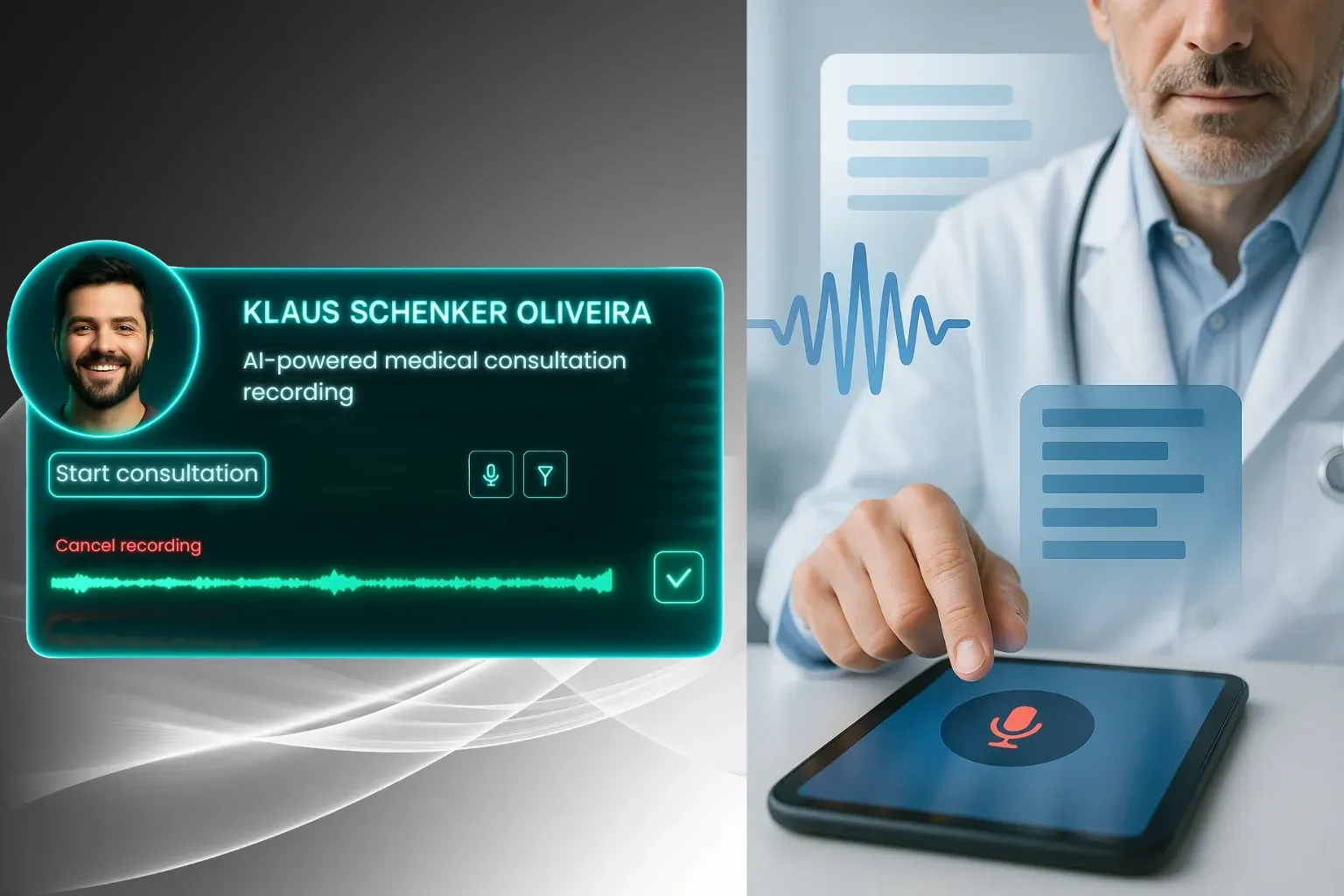
This type of functionality helps clinics create safer and better-documented processes, especially in larger multidisciplinary operations.
Electronic health records should simplify operations, not increase complexity
Electronic health records are no longer just a place to store clinical information. Today, they are directly connected to team productivity, operational organization, and the patient experience during appointments.
When the system is slow, bureaucratic, and poorly integrated, clinics end up creating even more rework throughout their routines. On the other hand, smarter electronic health records help centralize information, standardize processes, and make patient care more efficient.
More than simply digitizing documents, the goal should be to build a more organized, predictable, and growth-ready operation.
Did you find this information helpful?
Keep following our blog for more content on management, medical marketing, and innovation in healthcare.
Are you a healthcare professional and still unfamiliar with Ninsaúde Clinic? Discover how the platform can optimize processes and elevate the quality of patient care.
