

The patient experience begins long before the appointment itself. It starts with the first interaction with the clinic, extends through the front desk and administrative processes, and continues throughout the entire care journey. In many cases, details that may seem simple to the staff can have a significant impact on how patients perceive the care they receive.
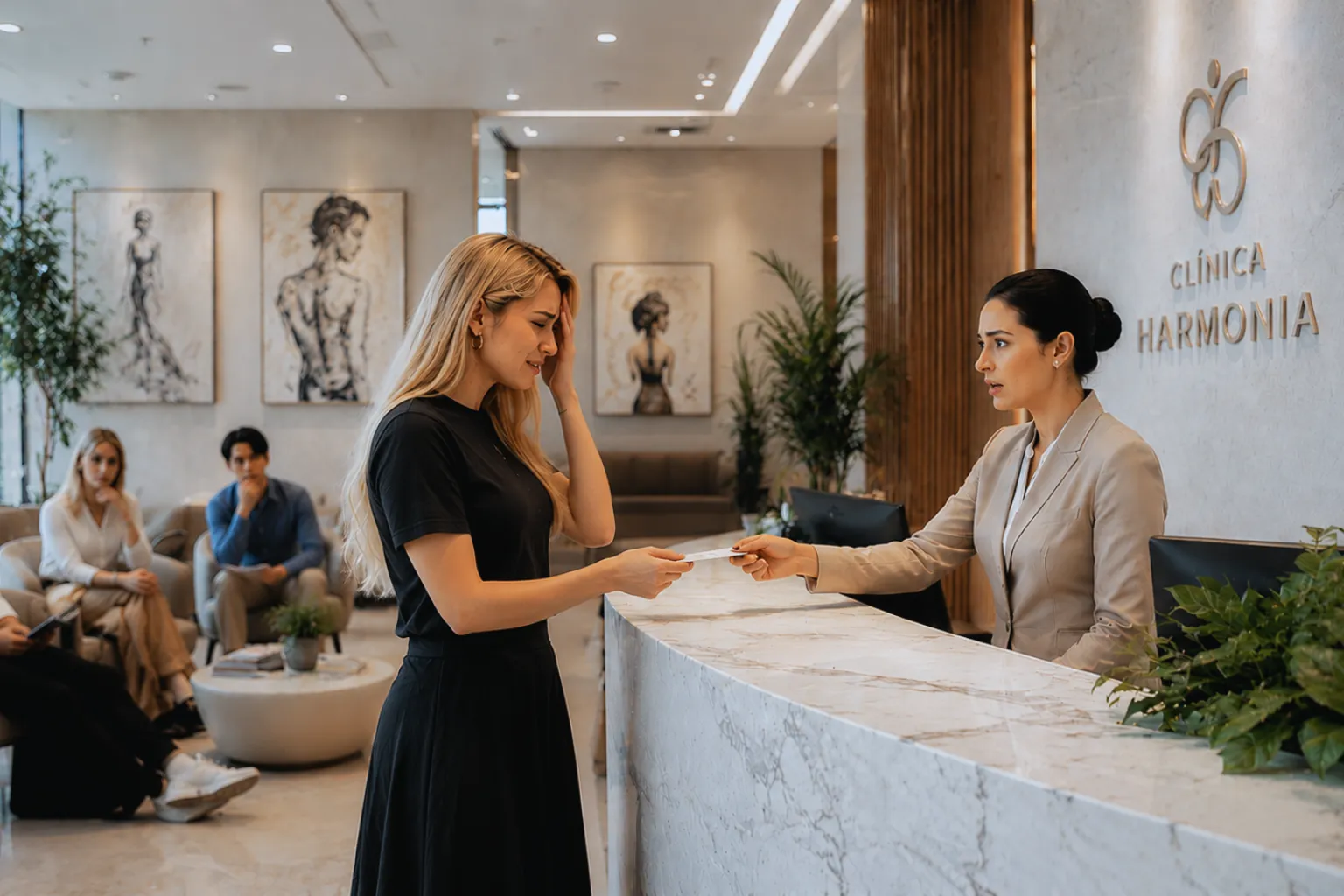
One of those details is how a person is addressed within the clinic. When the name used does not match the identity by which the patient wishes to be recognized, situations of embarrassment and discomfort may arise, affecting trust, the feeling of being welcomed, and even the patient's willingness to return for future care.
In this article, you will learn how the use of the social name influences the patient experience, the impact it has on clinic operations, and how to create more human-centered processes without increasing operational complexity.
Social name: much more than a registration detail
The social name* represents how a person wishes to be identified in their daily interactions. When a clinic respects this preference, it demonstrates attention, empathy, and respect for each patient's individuality, while positioning itself as an environment where respect comes first.
*The use of a preferred name is a right for transgender and non-binary individuals. If your organization has not yet implemented policies and processes to support its use, consult the applicable federal, state, and local regulations in your region regarding gender identity and patient rights.
Beyond the human aspect, there is also an operational consideration. When patient information is not properly organized within the systems used by the clinic, the likelihood of errors at reception, during patient calls, and in communication between teams increases. For managers, this means that humanization and operational efficiency go hand in hand.
Common problems caused by not using social names
Incomplete registration or lack of a dedicated field
Many organizations still use forms that do not allow preferred names to be recorded properly. As a result, staff members often rely on side notes or informal instructions, increasing the likelihood of mistakes.
Lack of communication between departments
In some cases, the reception team has the correct information, but it is not shared with other professionals involved in patient care. This can result in a patient being addressed one way at the front desk and another way inside the exam room.
Dependence on manual processes
When important information depends solely on staff memory, risks increase. Shift changes, vacations, staff replacements, or clinic growth can all lead to critical information being overlooked.
Lack of staff training
Even when a clinic has defined processes, poor internal alignment can compromise the patient experience. Staff members need to understand that respecting how each person wishes to be identified is part of providing quality care and directly influences the clinic's image and reputation.
How to change this scenario and improve the patient experience
Standardize information registration
The first step is ensuring that relevant information is recorded in a structured way. When there is a clear process for collecting and updating patient data, teams work more confidently and information becomes much more reliable.
For example, in Ninsaúde Clinic, it is possible to register a patient's social name directly within their profile. This allows the information to remain available throughout the entire patient journey, contributing to a more welcoming and organized experience.

Ensure visibility across the entire team
Recording information is not enough. It must be accessible to every professional who interacts with the patient throughout their journey. This reduces communication failures and improves consistency in care delivery.
Create welcoming protocols
Training staff to properly use available information is just as important as recording it. Small actions, such as dedicated training sessions, make a significant difference in building trust.
Use technology to reduce errors
The larger the clinic, the greater the need for structured processes. Management tools help centralize information and reduce dependence on parallel controls or manual notes.
The turning point for clinics that put patients first
Clinics that achieve sustainable growth understand that operational efficiency and humanization are not opposing goals. In practice, the best outcomes occur when both work together.
Respecting preferred names, organizing information properly, and maintaining consistent communication strengthen relationships with patients and contribute to a more mature operation.

When technology supports these processes, clinics can provide a more welcoming experience without sacrificing productivity, organization, or management quality.
Is your clinic ready to deliver a truly humanized experience?
Most clinics invest in infrastructure, equipment, and professional training. However, the patient experience is also built through processes, organizational culture, and attention to detail.
Often, the difference between an ordinary service experience and a memorable one lies in small actions that demonstrate respect and consideration for each person's individuality. For managers, this is a topic that deserves strategic attention.
Read also:
Did you enjoy this information?
Keep following our blog for more content about healthcare management, medical marketing, and healthcare innovation.
Are you a healthcare professional and still unfamiliar with Ninsaúde Clinic? Discover how the platform can optimize processes and improve the quality of patient care.
