

In many clinics and medical offices, concerns about medical litigation have become part of the operational routine. Questions about medical conduct, conflicting information, interpretation failures, and the absence of clear records can turn simple situations into legal, financial, and emotional burdens for the entire team.
At the same time, the need to document clinical decisions in a safer, more organized, and transparent way continues to grow. In this article, you will understand how consultation recording can help clinics strengthen operational security, document medical decisions more clearly, and reduce risks without compromising ethics, trust, or patient experience.
The rise of medical litigation has changed clinic routines
In recent years, clinics and healthcare professionals have had to deal with a much more sensitive scenario regarding clinical documentation. The electronic health record remains essential, but in many cases it cannot fully capture the context of the consultation.
And it is precisely within these gaps that many conflicts arise. Situations that open room for accusations without documented proof, disagreements regarding consent, and interpretation failures are becoming increasingly likely to happen.
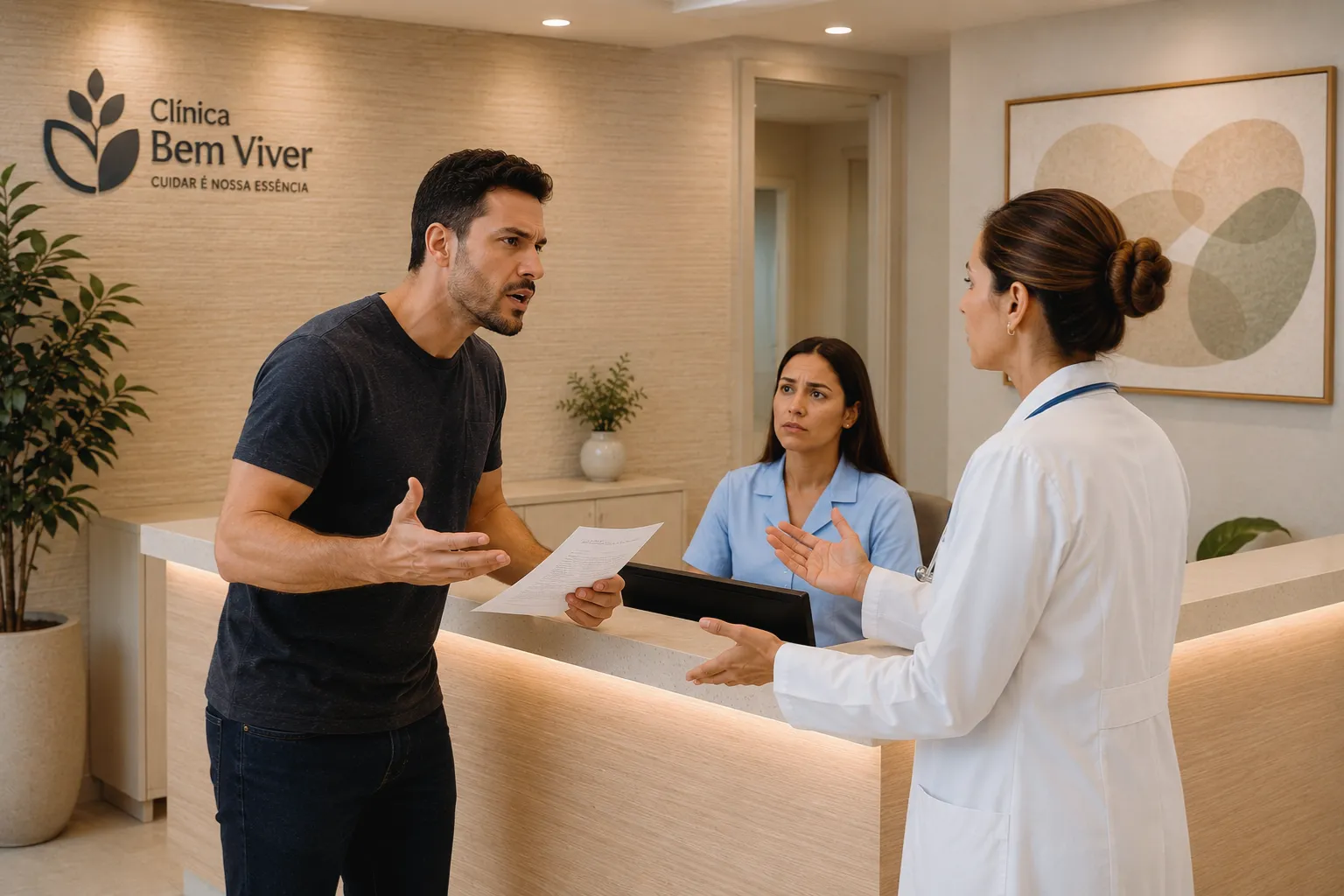
The most common mistakes related to consultation records
Relying entirely on the Electronic health record: the tool does not always capture important nuances and details of the clinical conversation*. Detailed explanations, treatment refusals, and specific instructions may not be fully documented.
It is important to emphasize: this does not reduce the need for a complete and effective Electronic health record. For more information, read our article where we explain why your clinic needs an electronic health record.
Not having clear documentation processes: many clinics rely exclusively on the individual — often manual — habits of each professional. This creates operational inconsistency and vulnerability in critical situations.
Lack of alignment regarding consent: a common mistake is failing to properly structure how the patient will be informed about consultation records. Without transparency, the clinic creates serious ethical and legal risks.
Lack of record organization: even when complementary documents exist, many clinics struggle to locate information quickly. In legal situations, time and organization make a difference.
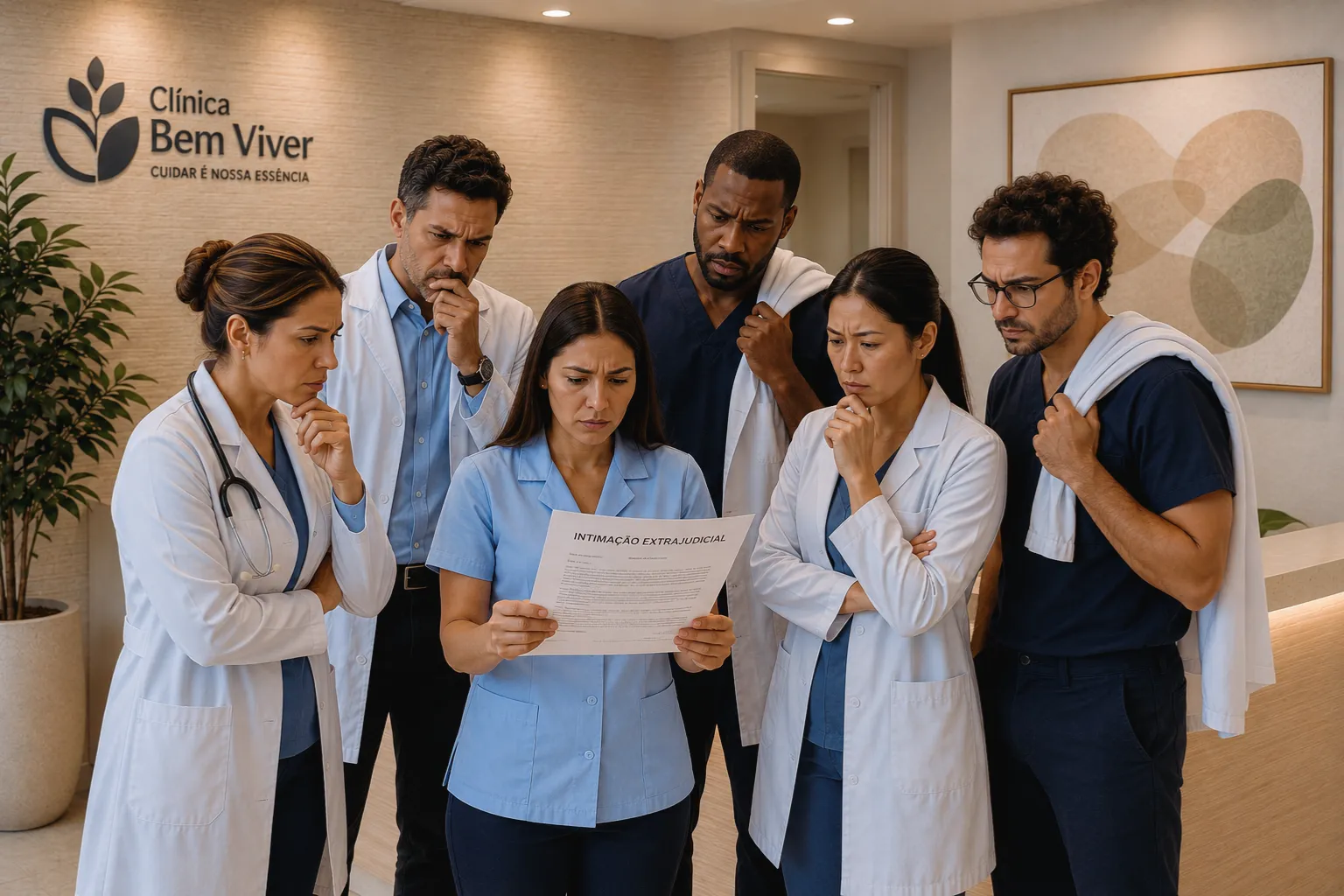
What works in practice
Clinics that handle sensitive situations more effectively usually have clear documentation and operational security processes. And this does not mean turning consultations into cold or bureaucratic environments; it means structuring mechanisms that protect everyone involved: patients, professionals, the clinic, and the operational team.
Solutions such as Ninsaúde Safe show how technology and management can work together to strengthen legal security, operational organization, and quality of care without making healthcare less human.

More complete consultation records
Recording consultations makes it possible to document instructions, questions, explanations, and clinical decisions much more accurately within the real context of the appointment. In conflict situations, these records can help clarify the consultation in detail.
More security for the medical team
When there is a structured recording process, the sense of operational security increases. This means the team feels safer, more confident, and more secure in its performance.
Review and continuous improvement
In addition to legal protection, some clinics use recordings for other activities such as internal training, communication improvement, and technical review. All of this helps improve the clinic’s overall performance.
How to implement consultation recording in your clinic
Step 1: establish clear consent policies
Patients must be informed about recordings transparently and in compliance with HIPAA. Clinics should structure ethical processes aligned with current regulations and constantly stay updated on them.
Step 2: establish storage criteria
Recording alone is not enough. Everything that happens after the recording is essential, so details such as retention time, access control, record organization, and security policies are fundamental.
Step 3: integrate the process into the clinical routine
When recording depends on parallel or improvised processes, the entire operation loses efficiency. Ideally, recording should be part of the natural workflow of patient care.
Step 4: train teams and professionals
The team needs to understand what they are doing. Explaining the purpose of the process, its benefits, ethical motivations, and implementation plans is essential. A team that understands the process from beginning to end avoids misunderstandings and preventable situations.
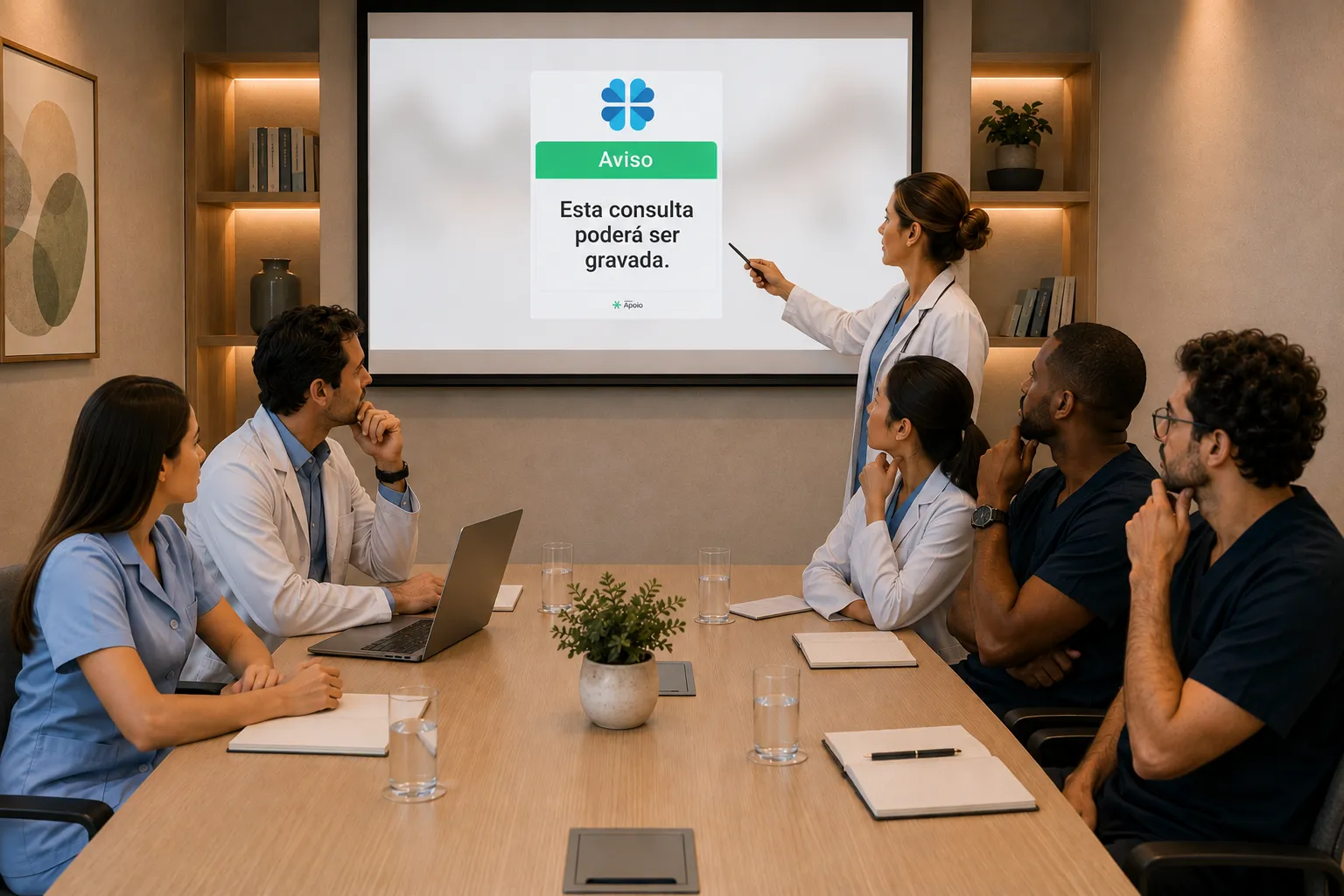
One solution: Ninsaúde Safe
Ninsaúde Clinic offers Ninsaúde Safe, a feature specifically developed for consultation recordings.
The tool allows clinics to record consultation audio clearly and in an organized manner, helping clinics and healthcare professionals in matters related to legal protection, clinical documentation, and operational security.
In addition to recording, the system’s integrated organization makes it easier to locate and manage records within the clinic’s routine.
The impact on clinic management
Greater operational protection: clear processes reduce legal vulnerabilities and strengthen the clinic’s institutional security.
Reduced rework: organized records prevent wasted time trying to reconstruct information later.
More confidence for professionals: when there is consistent documentation, physicians and staff work with greater peace of mind.
Better patient experience: transparency and organization also increase patients’ perception of professionalism and security during care.
Is your clinic prepared for this scenario?
Many healthcare facilities still see consultation recording as something extreme or distant from operational reality, but the growth of medical litigation is rapidly changing this perception. When clinics understand that both they and their patients benefit from these processes, many unfortunate situations can be prevented.
And mature documentation, security, and clinical management processes will never become unnecessary.
Did you enjoy this information?
Keep following our blog for more content about healthcare management, medical marketing, and healthcare innovation.
Are you a healthcare professional and still unfamiliar with Ninsaúde Clinic? Discover how the platform can optimize processes and improve the quality of patient care.
