
Many women who dedicated themselves to medicine made discoveries that transformed how we understand care, science, and healthcare organization. Many of these women balanced motherhood and their careers in challenging contexts and societies, leaving a legacy that continues to influence medicine today.
For clinic managers, physicians, and administrative teams, understanding the contributions of these women in medicine goes beyond a tribute. It is an opportunity to reflect on innovation, efficiency, and the evolution of clinical and organizational processes through the lens of those who, even with limited resources, changed the world.
Before we move on, one important note: if you manage a healthcare clinic and need better scheduling organization, a secure electronic health record, and centralized financial processes, Ninsaúde Clinic can streamline your daily operations. Get in touch to learn more.

Women in medicine: far beyond recognition
The history of medicine has often highlighted male figures, but many women played a central role in advancements that now support modern clinical practice. Many of these pioneers were also mothers who not only contributed groundbreaking discoveries but also influenced areas such as public health, hospital organization, and patient experience—highly relevant topics for today’s clinics.
Among the main impacts of these women, we can highlight:
- Development of more efficient clinical protocols
- Increased safety and standardization in care
- Advances in diagnosis and treatment
- Strengthening of scientific research
These pillars remain essential in modern clinic management. In this article, we pay tribute to these women and mothers who challenged their time in favor of science, healthcare, and medicine.
Pioneers and mothers in medicine
Marie Curie: science, generational talent, and life-saving discoveries
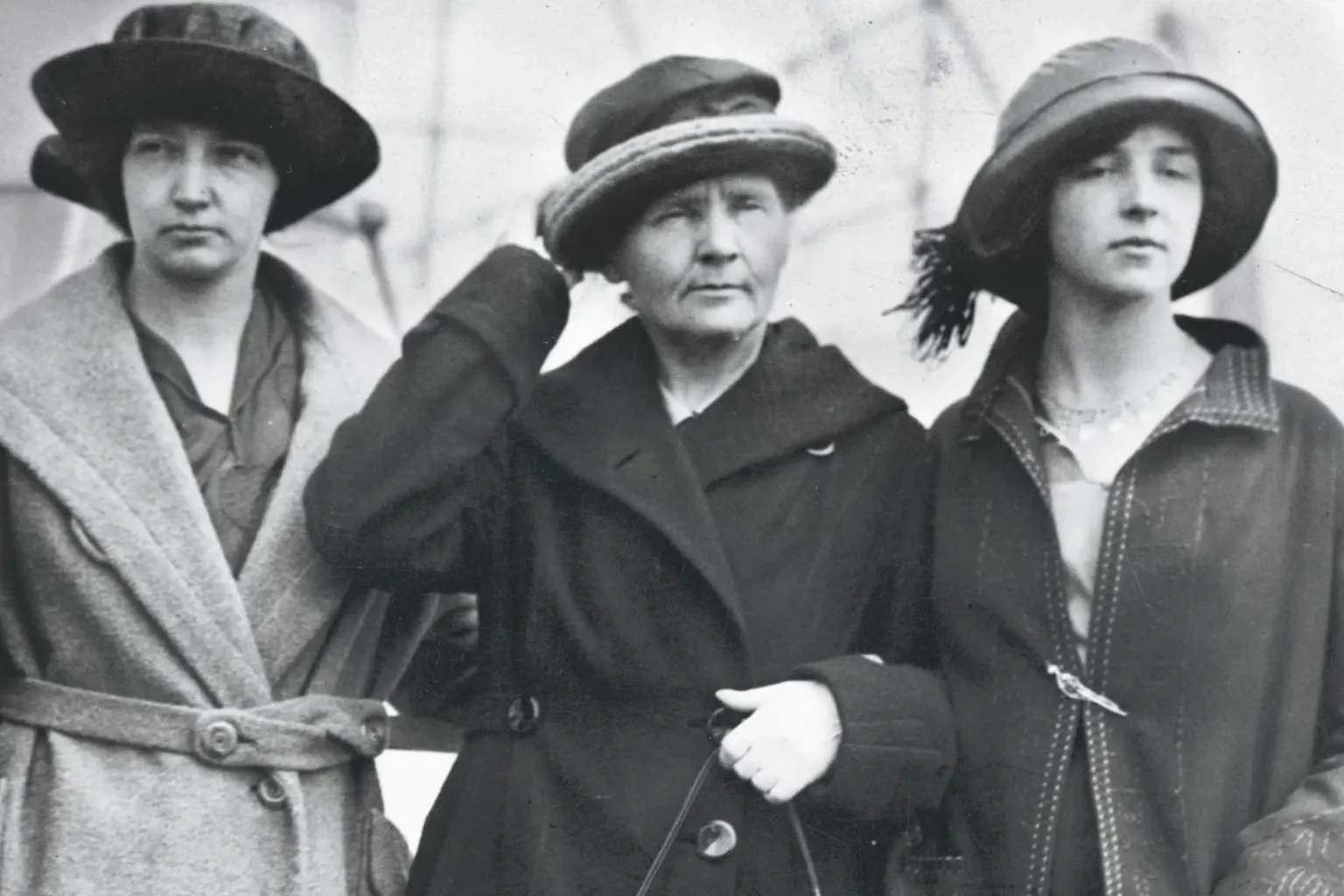
Marie Curie was a physicist and chemist, globally recognized for her research on radioactivity. In addition to being a scientist, she was also a mother of two daughters, including Irène Joliot-Curie, who followed her path in chemistry and, in 1935, won the Nobel Prize in Chemistry for the discovery of artificial radioactivity.
Marie’s main contribution to medicine was the use of radiation in the diagnosis and treatment of diseases, especially cancer. During World War I, she developed mobile radiography units, enabling faster diagnoses in the field. Her work earned her two Nobel Prizes, one in Physics and one in Chemistry.
Her impact remains present today in imaging exams and oncology therapies, essential for clinics and hospitals.
Gerty Cori and the understanding of human metabolism
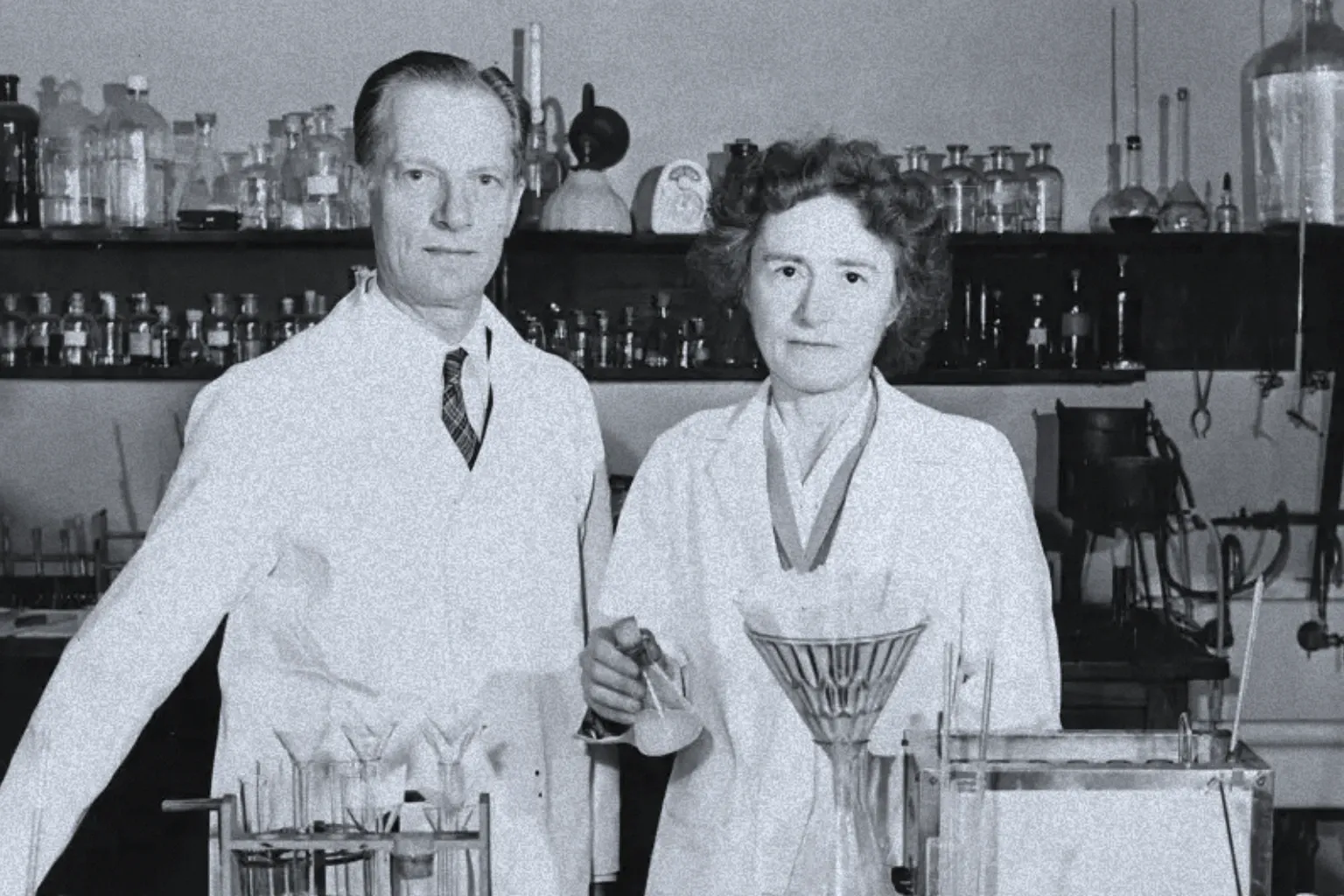
Gerty Cori was a biochemist and mother, and the first woman to win the Nobel Prize in Physiology or Medicine. Her research led to the discovery of the Cori cycle, which explains how the body processes glucose. She had one son, Carl Thomas, who held a PhD and served as CEO of Sigma-Aldrich from 1983 to 2000, one of the world’s leading suppliers of materials for chemistry, life sciences, and biotechnology. In 2016, Carl donated his parents’ Nobel medals to Washington University in St. Louis.
Knowledge of the Cori cycle is essential for treating metabolic diseases such as diabetes. Her contribution provided a scientific foundation for more accurate diagnoses and more effective therapies. In clinical routines, this type of advancement allows professionals to make decisions based on clinical evidence and well-defined protocols.
Patricia Bath and innovation in ophthalmology
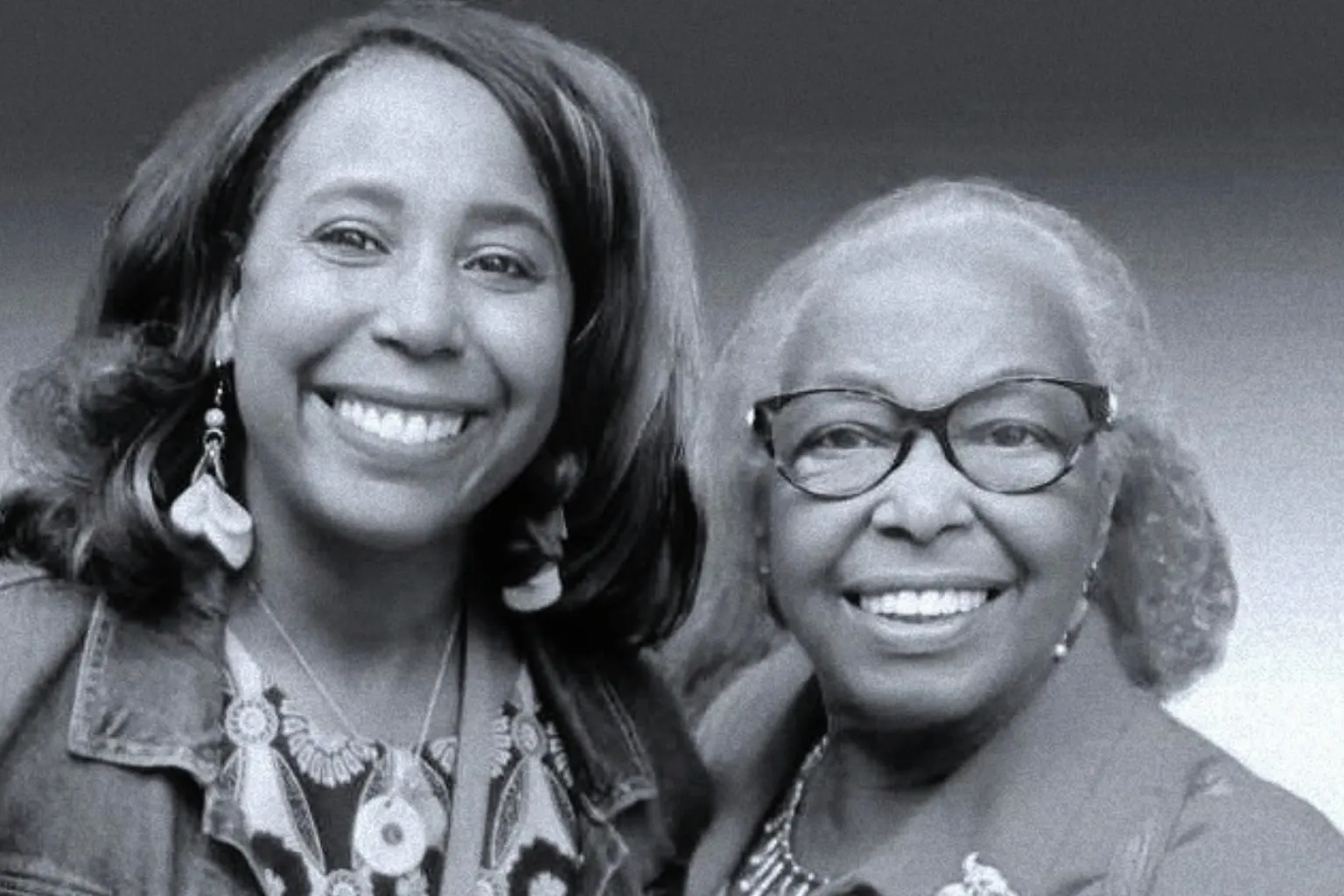
Patricia Bath was a pioneering ophthalmologist, researcher, and mother. She developed Laserphaco, an innovative laser technique for cataract surgery that revolutionized the field of ophthalmology. Her contribution allowed millions of people to regain vision through safer and more effective procedures. This type of innovation demonstrates how healthcare technology can transform patient experience and increase efficiency in care delivery.
Her daughter, Eraka, is a child, adolescent, and forensic psychiatrist and serves as Vice Chair for Justice, Equity, Diversity, and Inclusion at the UCLA Neuropsychiatric Institute.
Tu Youyou and the fight against malaria
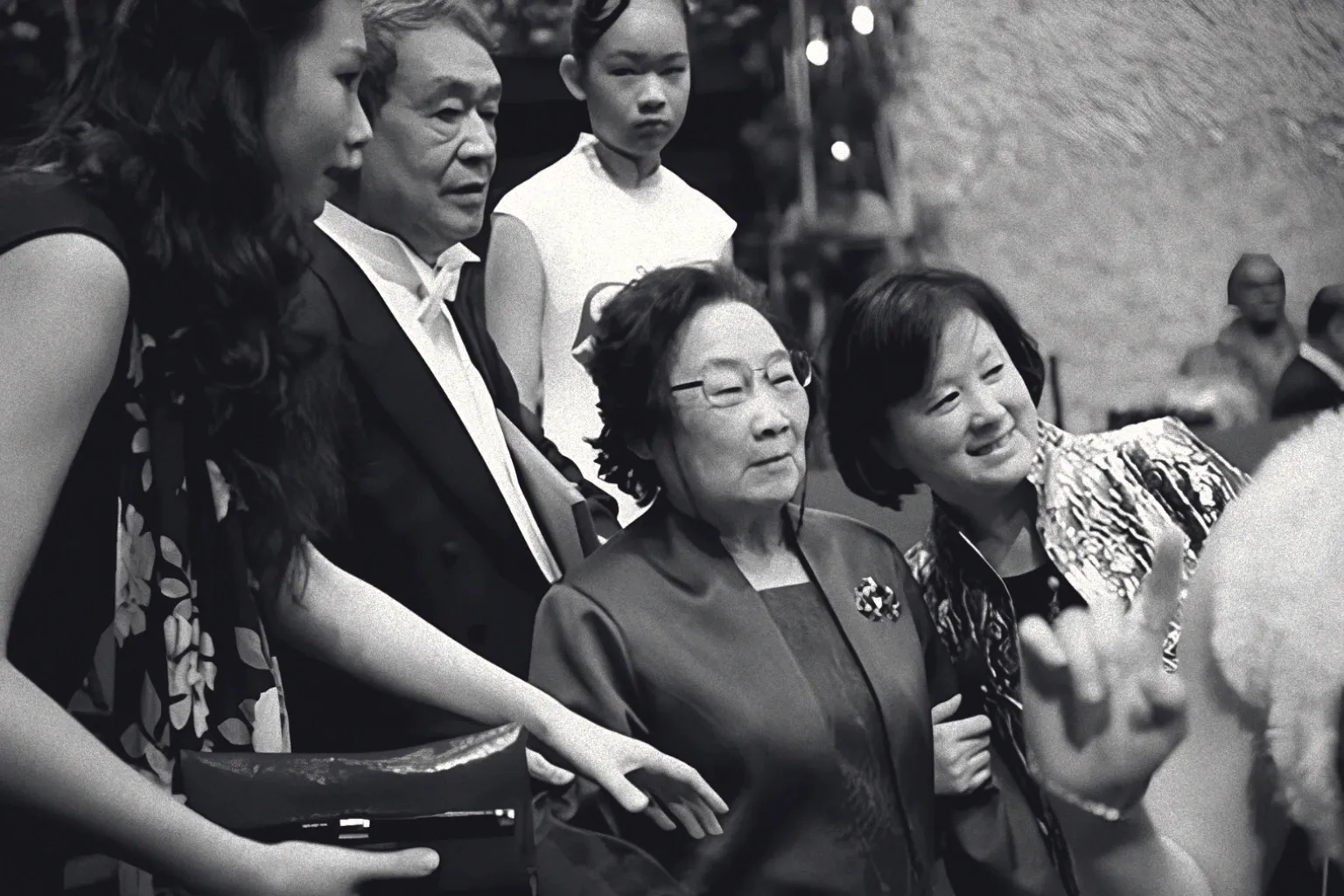
Tu Youyou was the scientist responsible for discovering artemisinin, one of the most effective treatments against malaria. However, this was not an easy achievement. Chinese society faced military repression, and Tu’s husband, an engineer, was detained. Amid this context, Tu was recruited into a secret military project, Project 523, aimed at developing antimalarial treatments, which required her to send her two daughters away.
Her work, according to the Nobel Prize summary, "led to the survival and improved health of millions of people".
Zilda Arns, the Brazilian who transformed child public health
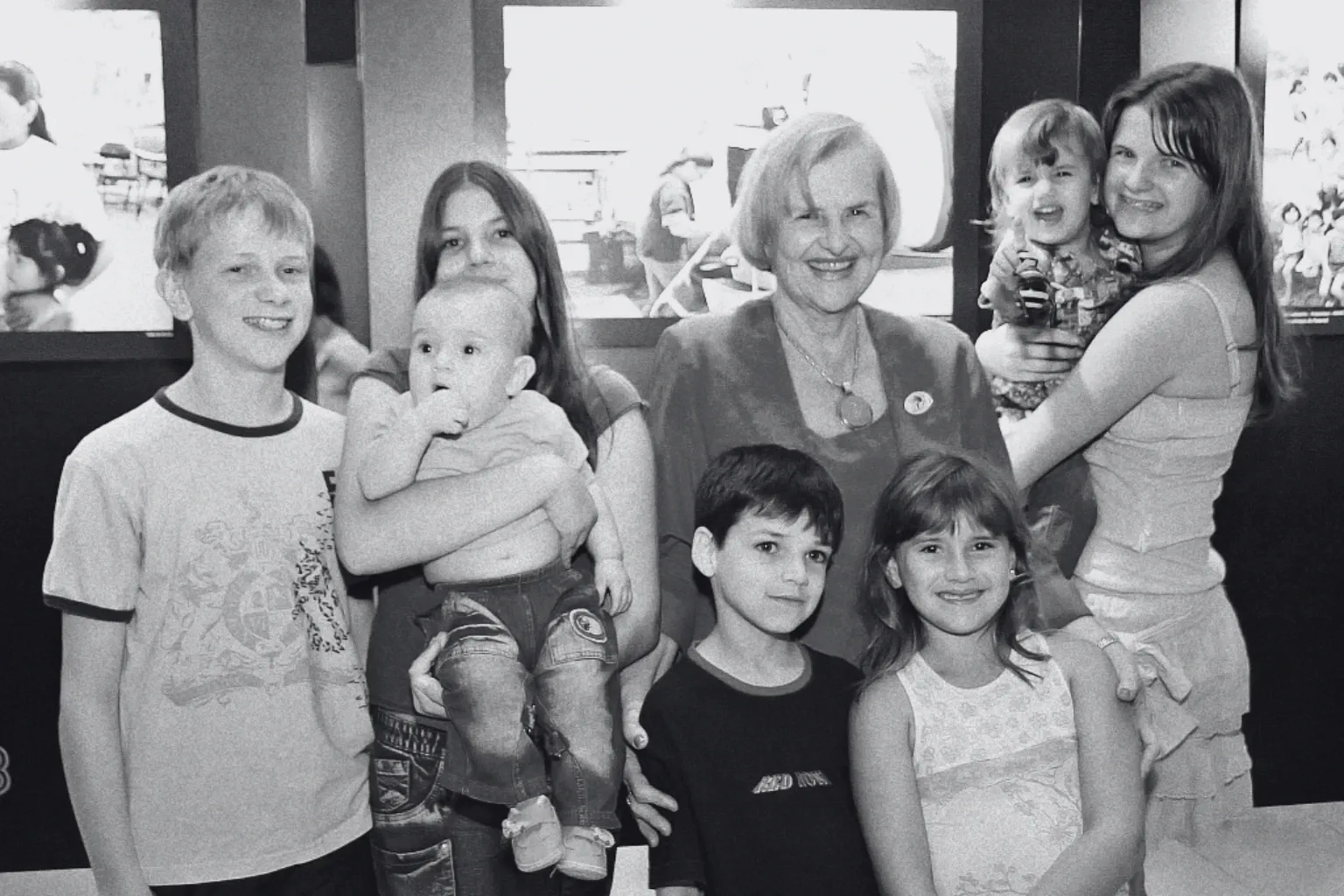
Zilda Arns was a pediatrician, public health physician, and mother of six children, recognized for her direct impact on public health and the reduction of child mortality in Brazil and worldwide. She founded the Pastoral da Criança, an organization that developed a community-based primary care model focused on health education, family monitoring, and disease prevention.
The program relied on trained community agents to monitor child development, guide mothers, and promote simple practices such as oral rehydration therapy.
Amid her work, Zilda faced another challenge: the death of her husband in 1978, which made her a single mother at age 44.
Despite these obstacles, her work had a profound impact. Thousands of communities gained access to basic care, significantly reducing malnutrition and child mortality rates.
For clinic managers and healthcare professionals, her legacy reinforces a key principle: simple, well-structured, prevention-based processes can generate large-scale impact, improve health indicators, and increase care efficiency.
The impact of these mothers on modern medicine
The women presented here contributed to medical advancements that go far beyond isolated scientific discoveries. They helped transform how healthcare is organized and delivered worldwide, and their legacies serve as inspiration for clinic managers, physicians, and administrative teams.
Organization and well-defined processes
The evolution of medicine shows that organization is essential to ensure quality care. Structured processes reduce errors, increase productivity, and improve patient experience.
Data-driven decision-making
Many of these pioneers used data and evidence to validate their discoveries. In clinic management, this translates into tracking indicators, analyzing results, and making strategic decisions.
Innovation as a growth driver
Innovation was a common factor among these women. Clinics that invest in technology can optimize processes, reduce failures, and improve financial performance.
Focus on patient experience
All these contributions had a central goal: improving people’s lives. This principle remains essential for clinics aiming to grow sustainably.
A legacy that continues to inspire healthcare evolution
By analyzing these trajectories, it becomes clear that healthcare evolution depends on adaptability and the constant pursuit of improvement. Clinics that incorporate these principles into their routines can not only grow but also generate a positive impact on patients’ lives.
These stories reinforce that the future of medicine continues to be built on the same values that guided these pioneers: knowledge, dedication, and continuous innovation.
Did you find this information helpful?
Keep following our blog for more content on management, medical marketing, and innovation in healthcare.
Are you a healthcare professional and still unfamiliar with Ninsaúde Clinic? Discover how the platform can optimize processes and elevate the quality of patient care.
