

Attracting new patients is important, but maintaining a strong relationship with those who have already visited your practice is just as essential. Patient loyalty is closely tied to the experience provided both inside and outside the clinic. With that in mind, we have gathered some tips that can help during this important process and support you in building a true community of loyal patients who trust your practice.
Provide a Pleasant Environment
First impressions does not apply only to people. A clinic's environment deserves attention from the facade to the consultation room. The reception area can be considered the clinic's business card, so it should always be organized to convey cleanliness, professionalism, and attention to detail.
In addition to comfort and attractive decor, it is important for the clinic to strictly follow the healthcare facility standards required by regulatory authorities.
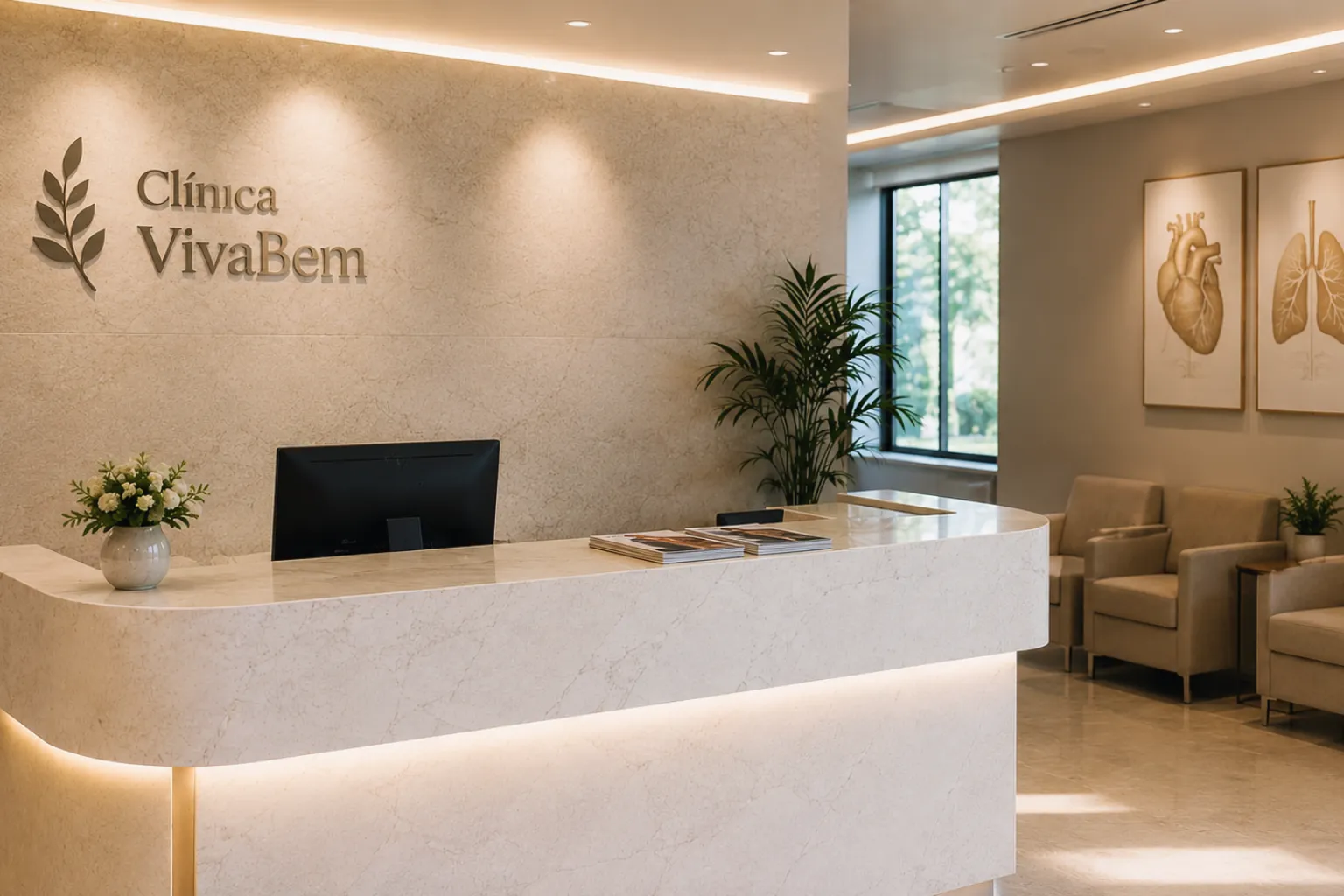
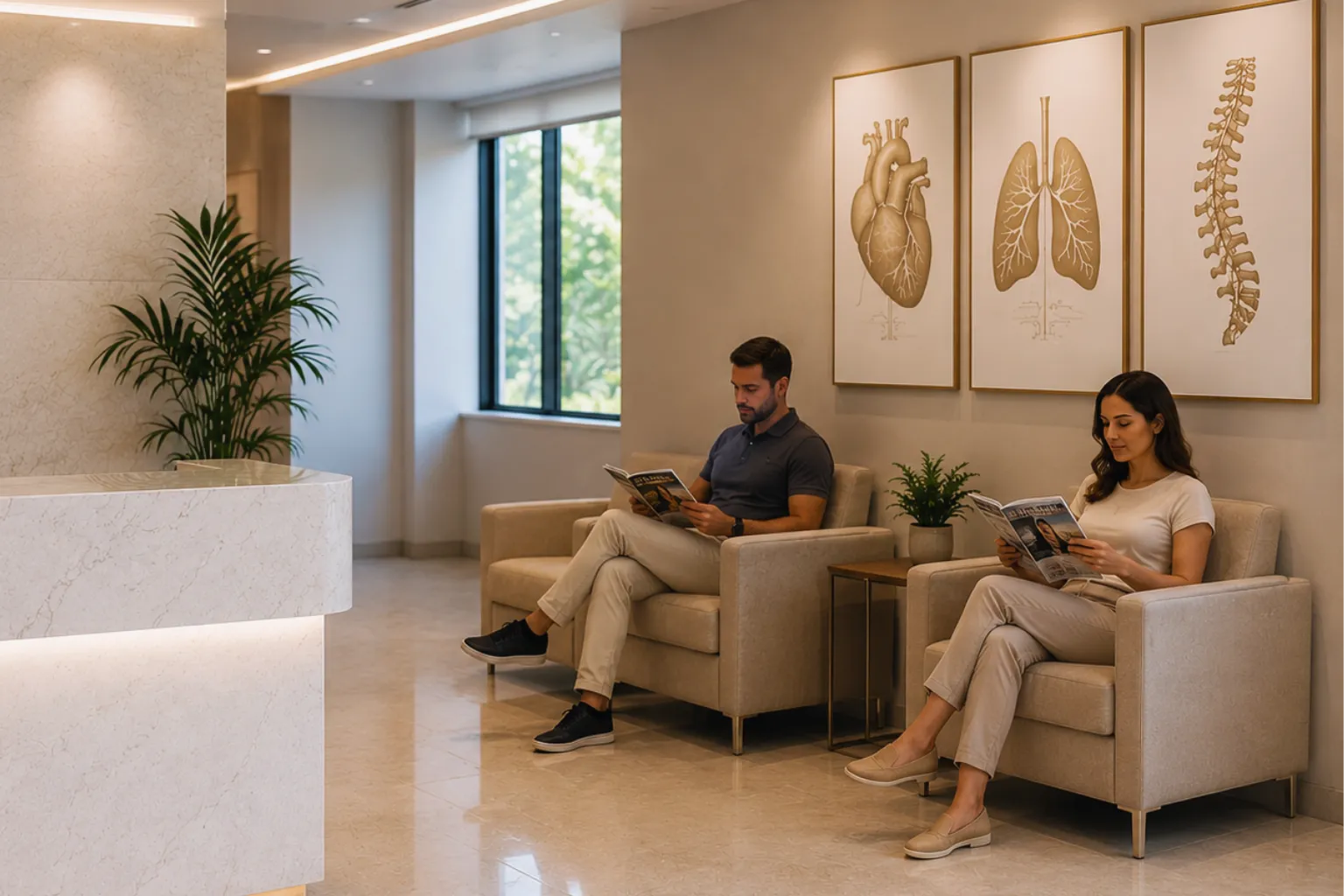
Another tip is to provide entertainment options so patients can wait comfortably and with less stress. In today's hyperconnected world, offering Wi-Fi is essential. In addition, having magazines and books available is beneficial. Keeping the television tuned to channels free from sensationalism and controversy is always a good option. If the clinic treats children, having a play area where they can have fun while parents supervise them comfortably creates a positive experience for the entire family.
Avoid Delays
Punctuality is one of the primary responsibilities of a high-standard clinic. Following scheduled appointment times is extremely important when building patient loyalty because delays, whether occasional or frequent, can negatively impact this process.
We understand that several factors may directly or indirectly contribute to delays, and unfortunately they cannot always be avoided. However, some actions can help improve this situation, such as:
- Avoid scheduling too many patients within short time intervals;
- If an unexpected issue occurs, inform the receptionist so the patient can be notified as early as possible;
- If traffic is frequently causing delays, consider using navigation apps that identify the best routes and provide congestion alerts, such as Google Maps and Waze.
However, the most effective way to prevent scheduling issues and delays is by adopting a high-quality software solution that integrates all physicians' schedules into a single platform. Ninsaúde Clinic centralizes all schedules—whether your organization operates a single clinic or multiple locations—sends appointment confirmations integrated with WhatsApp that can reduce missed appointments by up to 68%, and makes the entire patient journey more seamless and complete. Learn more about the software and its patient care system.
Provide Humanized Care
Humanized care is when healthcare professionals treat each patient individually, providing personalized attention while demonstrating empathy in a welcoming and respectful manner. Small details, such as calling the patient by their first name, making eye contact while greeting them, and asking whether they have any questions before concluding the appointment, are essential for creating a more human experience.
Although certain medical terminology may be necessary during consultations, try to use simpler language to make information easier for patients to understand. If they still have difficulty understanding, translate technical concepts into simple, everyday examples so they can clearly follow your reasoning.
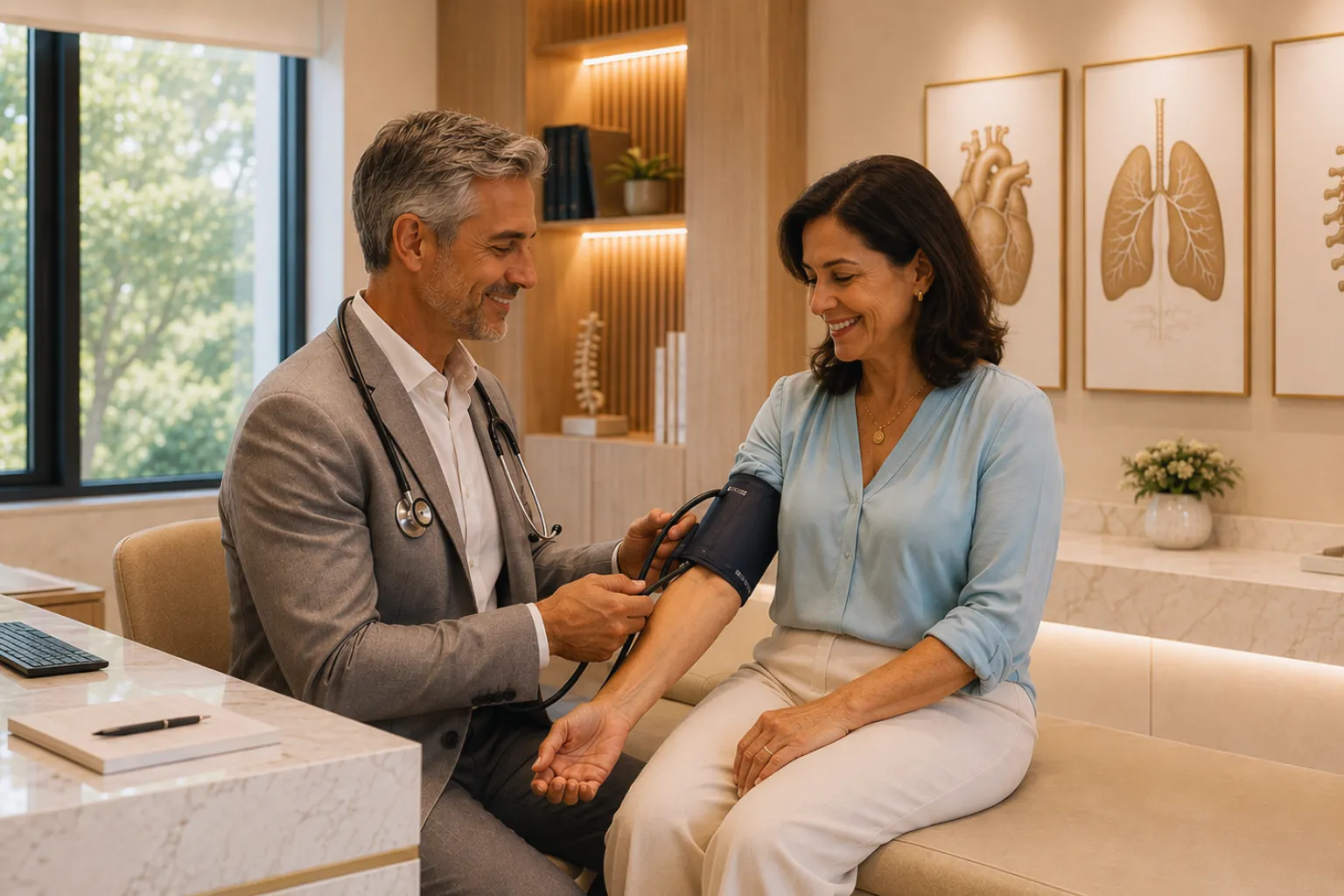
It is also important to convey confidence and security. Patients who feel safe tend to speak more openly about their situation. Healthcare professionals know that sometimes a small detail that was not initially mentioned can make a significant difference. Therefore, maintain efficient, respectful communication that takes into account the emotional state of both the patient and their family.
Post-Appointment Follow-Up
Remember that the relationship with a patient does not end immediately after they leave the clinic. Creating follow-up strategies fosters empathy and strengthens the relationship, contributing to patient loyalty—and potentially even referrals.
Create reminders encouraging patients to return to the clinic when appropriate, provide easily accessible communication channels, and do not forget to send messages on special occasions.
The Ninsaúde Clinic management platform offers both automated messaging capabilities and suggested message templates that help staff create effective communications. In addition, it includes email marketing features with ready-to-use templates and suggestions. Explore all the possibilities for improving patient engagement and experience with Ninsaúde Clinic.
TIP: Although messages may be sent automatically, it is important to personalize them so they do not sound generic or overly commercial. Avoid emails that contain only images, as they may be more likely to be filtered into the patient's spam folder.
Did you enjoy this information?
Keep following our blog for more content about healthcare management, medical marketing, and healthcare innovation.
Are you a healthcare professional and still unfamiliar with Ninsaúde Clinic? Discover how the platform can optimize processes and improve the quality of patient care.
Article updated on 06/05/2026.
