
Telemedicine has moved from a temporary workaround to a core care channel for many clinics. For practice managers and clinicians, the question is no longer whether virtual visits belong in your model, but which infrastructure can deliver them with quality, security, and productivity.
The key is understanding that telemedicine is not just a video call. It is a complete clinical workflow that includes scheduling, documentation, orders and prescriptions, billing, and auditability. That is exactly where many decisions go wrong.
The best telemedicine platform for clinics is not just video
When people search for the best telemedicine platform for clinics, they often think about audio and video stability. That matters, but it does not define the best option. What truly differentiates a real telemedicine platform is how deeply it integrates virtual care with clinic operations.
To work well day to day, the platform should support four areas at once:
- patient data security and privacy
- EHR integrated into the virtual visit
- online scheduling with confirmation and flow control
- financial management and billing connected to the encounter
Without that, clinics end up with fragmentation: one app to schedule, another to meet, another to document, and another to bill. It may feel fine at first, but it quickly becomes rework and risk.

Why generic video meeting tools create problems
Video conferencing tools were built for meetings, not for healthcare delivery. In telemedicine, you handle protected health information and need strong governance. Three issues show up fast.
First is security and access control. A clinic needs role-based permissions, authentication, logs, and an audit trail, plus secure storage for documents and clinical records. Without that, it becomes difficult to prove who accessed what and when.
Second is lost productivity. If the call is not inside your clinical system, staff copy information between screens, search for attachments elsewhere, and re-enter data. Clinicians lose time, and front-desk teams become tech support.
Third is documentation quality. When charting is disconnected, records tend to be incomplete, done later, or scattered across files. That weakens continuity of care and increases operational risk.
Before we move on, one important note: if you manage a healthcare clinic and need better scheduling organization, a secure electronic health record, and centralized financial processes, Ninsaúde Clinic can streamline your daily operations. Get in touch to learn more.

Telemedicine security: must-have criteria
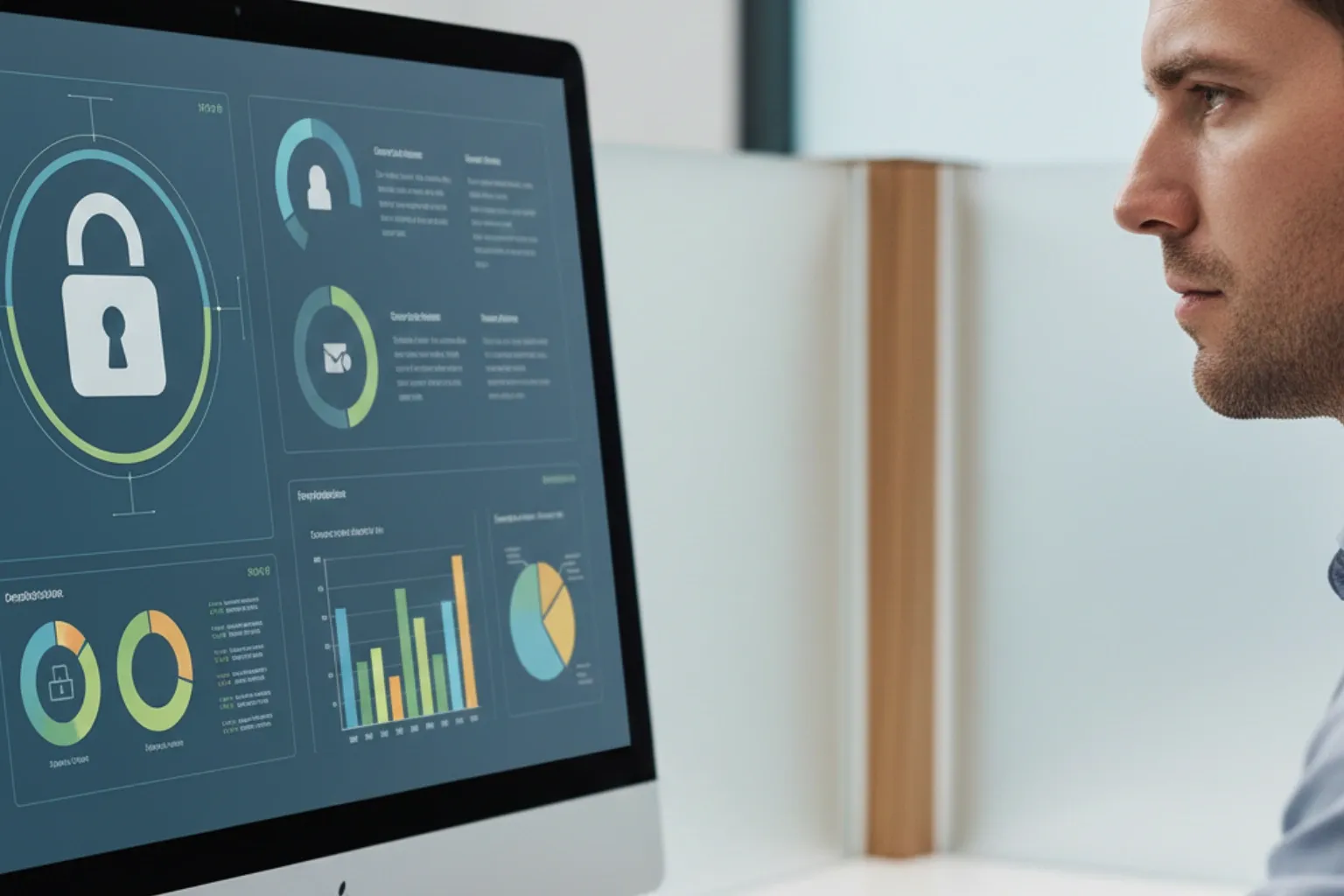
Security is not a technical detail. It is a purchasing criterion and a trust requirement. For managers and clinicians, the minimum standard is a platform that treats privacy and auditability as product fundamentals.
What to evaluate for security and compliance
Use this practical checklist when comparing telemedicine solutions for clinics:
- encryption in transit and at rest
- role-based access control with granular permissions
- access logs and an audit trail for changes in the medical record
- strong authentication and security best practices
- consent management, forms, and encounter documentation
- backups, continuity planning, and recoverable history
Also consider whether the vendor helps the practice stay aligned with HIPAA expectations, especially around access controls and auditability. For patients, this shows up as trust. For the business, it shows up as reduced risk.
The EHR is the heart of the virtual visit
A virtual visit requires the same clinical rigor as an in-person appointment: history, assessment, plan, orders, prescriptions, patient instructions, and follow-up. When telemedicine is not integrated into the EHR, documentation becomes an afterthought.
In practice, integrating telehealth into the EHR improves:
- consistency of clinical documentation
- continuity of care across providers
- standardization with templates and protocols
- fast access to patient history
- clear auditability of decisions and documents
If the visit starts outside the chart, the clinic loses time and increases risk.
Telemedicine integrated with scheduling: what changes operationally
Scalable telemedicine depends on a well-run schedule. When virtual visits are booked and delivered inside a practice management system, the experience becomes simpler for patients and more predictable for the clinic.
Online scheduling and automation reduce no-shows
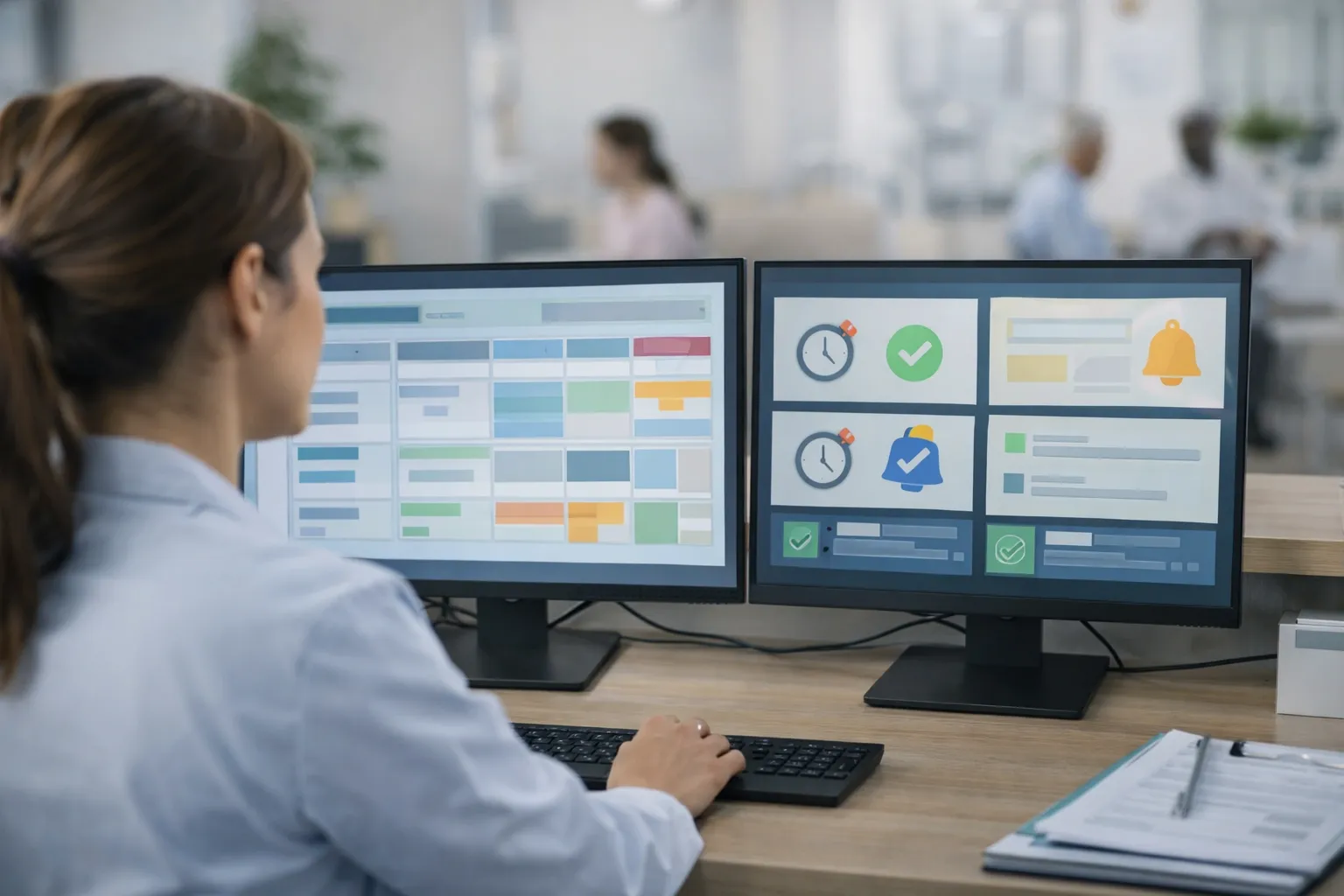
An integrated schedule allows automation that reduces missed visits, delays, and friction:
- automated reminders and confirmations
- sending the visit link at the right time
- clear rules for late arrivals and rescheduling
- digital check-in and pre-registration before the visit
That improves attendance rates and reduces phone calls, messages, and rework.
Pre-visit intake and triage: telemedicine starts before the call
One of the biggest underused gains is pre-visit intake. Instead of spending valuable minutes collecting basics during the call, clinics can use digital forms and clinical templates for chief complaint, symptoms, allergies, and current medications.
For high-volume specialties, this reduces non-clinical time, improves history quality, and standardizes what must be captured, without making care feel robotic.
Financial operations: telemedicine has to reconcile cleanly
Telemedicine is also a revenue channel. If payment and billing are disconnected from the visit workflow, clinics lose predictability and create friction for patients.
Integrated payments and accounts receivable visibility
Ideally, patients can pay before or during the virtual visit and the system automatically posts the transaction. That helps manage accounts receivable, reduces delinquency, and supports packages, session-based care, and follow-ups.
When payment is handled separately, administrative teams chase confirmations and clinicians feel the impact through schedule changes and delays.
Provider compensation and service-level reporting
In multi-provider clinics, telemedicine should follow the same compensation rules as in-person care. A practice management system with integrated telemedicine should support configurable provider compensation by service, percentage or flat fee, and reporting by period, location, and specialty.
That reduces internal disputes, improves transparency, and helps leadership understand margins and capacity for virtual care.

How to choose the best telemedicine system for your clinic
To decide confidently, avoid generic promises and compare based on workflow. The goal is fewer disconnected tools and more integration.
Practical questions to ask when comparing platforms
- Is the virtual visit embedded in the EHR, with notes and attachments in the same chart?
- Does scheduling automate reminders?
- Are there role-based permissions, logs, and a full audit trail?
- Does the system handle consent forms and encounter documentation?
- Does it integrate with billing, payments, and accounts receivable?
- Can it scale across locations and teams with centralized governance?
- Are there reports for volume, no-shows, and virtual care performance?
If several answers are no, you are likely evaluating a video tool, not a telemedicine platform for clinics.
Metrics to track after go-live
Once implemented, track simple indicators:
- attendance and cancellation rate for virtual visits
- average visit duration and variation by provider
- time-to-documentation after the visit
- delinquency rate and average days to collect
- patient satisfaction and return rate
These show whether your workflow is mature or just running calls.
Example of a clinical system with integrated telemedicine
Some practice management systems are built with an integrated EHR and telemedicine, avoiding tool sprawl. Ninsaúde Clinic, for example, combines an electronic health record with online scheduling and integrated, unlimited telemedicine inside the workflow, helping standardize care and maintain auditability.
The model is the point: telemedicine should live inside the clinical system, not alongside it.
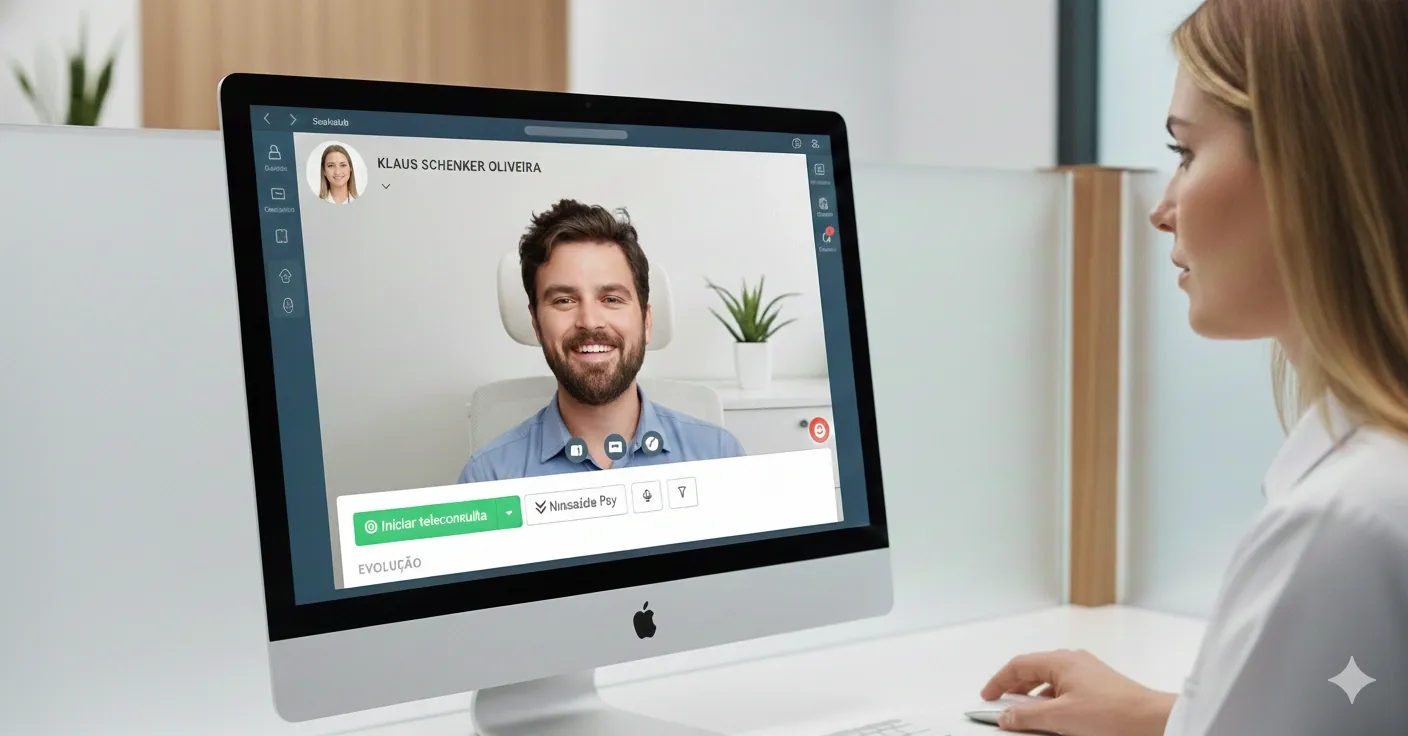
The best telemedicine platform for clinics is not the one that only delivers a video call. It is the one that protects patient data, integrates the EHR, organizes scheduling, and connects the visit to billing and financial management, creating predictable operations and more consistent care.
Choose with both lenses in mind, operational and clinical: fewer disconnected tools, more integration and auditability. That is how telemedicine stops being an improvised channel and becomes a secure, scalable strategy.
Enjoyed these insights?
Keep following our blog for more content on clinic management, medical marketing, and healthcare innovation.
Are you a healthcare professional who hasn’t tried Ninsaúde Clinic yet? Discover how the platform can streamline processes and elevate the quality of patient care.
