
Managing an orthopedic clinic demands operational precision and continuous care coordination. Between first visits, scheduled follow-ups, imaging reports, post-operative check-ins, and rehabilitation, small misalignments quickly turn into appointment delays, extra work at the front desk, loss of clinical traceability, and pressured margins.
That’s why the “best system” isn’t the one with the most screens—it’s the one that fits the real orthopedic workflow: a protocol-ready medical record, an appointment schedule designed to reduce no-shows, integrated finance and insurance operations, and data security aligned with the sector’s risk profile. In this article, we will cover The Best System for Orthopedic Clinics
Why orthopedics needs a more robust system
In orthopedics, the patient journey is often long. The same case can move through consultation, test requests, results review, clinical decision-making, procedures, physiotherapy sessions, and months of follow-up. If the system doesn’t “connect the dots,” the team falls back on spreadsheets and scattered documents—reducing predictability and creating avoidable friction.
Challenges that most affect day-to-day operations
In practice, managers typically face:
- Scheduled follow-ups (7/14/30/90 days) and frequent rescheduling needs.
- High volume of attachments: PDFs, reports, clinical photos, and imaging.
- Clinical standardization by subspecialty (knee, spine, shoulder, foot and ankle).
- Insurance management with authorizations, statuses, audits, and denial risk.
A well-chosen system reduces these pain points without restricting clinical care.
Electronic medical records: the core of quality and traceability
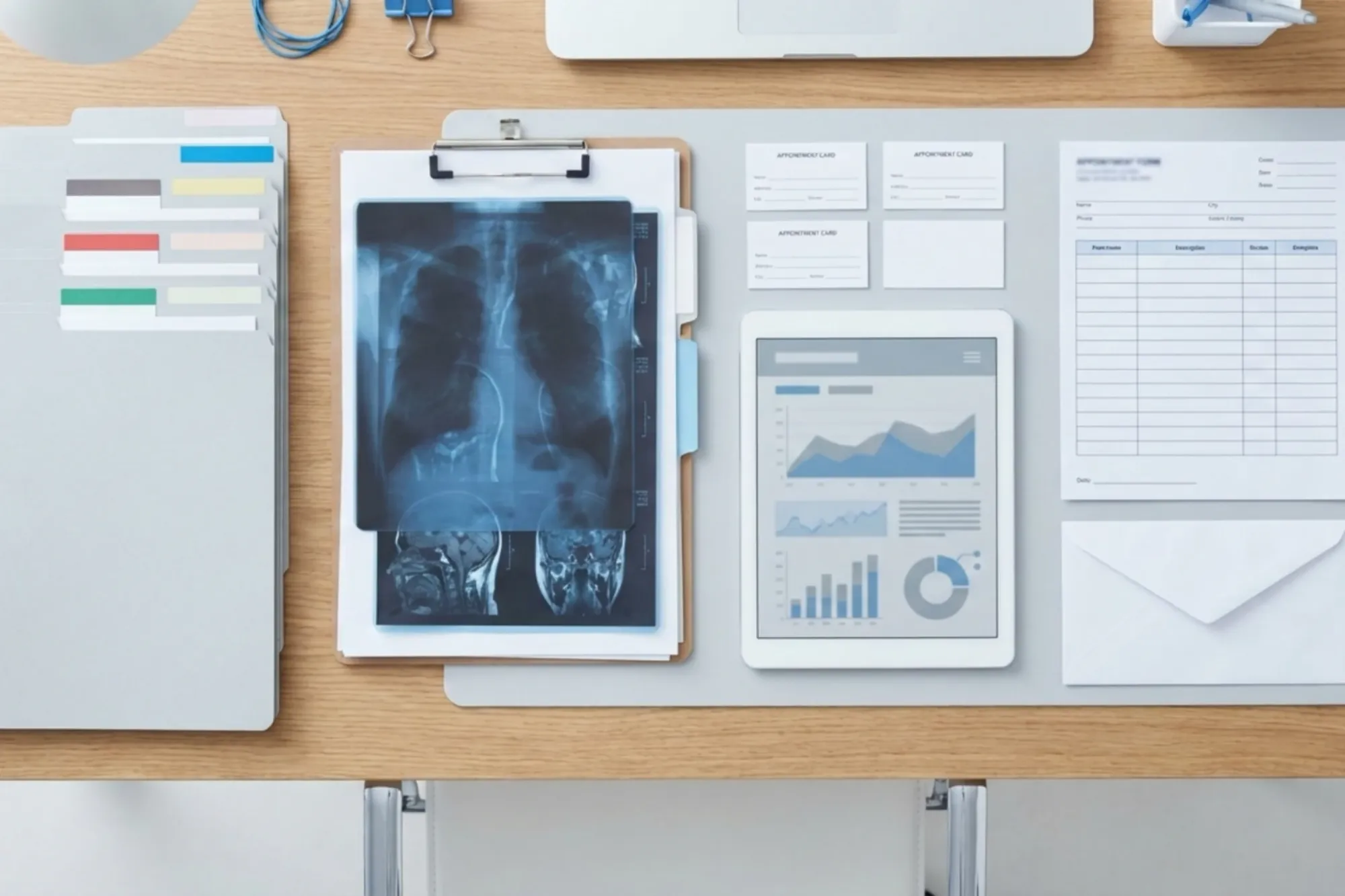
The medical record is where orthopedics “lives”: progress notes, treatment decisions, test results, and reassessments. To be truly useful, it must go beyond free text—helping structure data, compare progress over time, and keep attachments accessible.
What to look for in an orthopedic EMR
A strong platform usually offers:
- Templates and protocols to speed up documentation and reduce variation across providers.
- Configurable forms (history, functional assessment, scales, and measurements).
- Organized attachments with fast search (images, PDFs, reports, photos).
- A clinical timeline with filters by clinician, visit type, and date.
This reduces documentation time and improves consistency of care. In Ninsaúde Clinic, for example, clinics can use a customizable medical record with orthopedic-oriented protocols and store documents directly within the patient’s history.
Practical example: comparable progress across follow-ups
In a knee injury, the first visit captures pain, clinical tests, and functional limitations; the follow-up reviews imaging and adjusts the plan. If the system allows repeating and comparing fields (pain, mobility, function), clinical decisions become more objective—and documentation gains standardization without adding time burden.
Before we move on, one important note: if you manage a healthcare clinic and need better scheduling organization, a secure electronic health record, and centralized financial processes, Ninsaúde Clinic can streamline your daily operations. Get in touch to learn more.

Smart scheduling: fewer no-shows and more predictability
Orthopedics is especially sensitive to missed follow-ups and the domino effect of delays. The ideal schedule should be a flow-management tool—not just a calendar.
Features that drive real impact
Look for capabilities such as:
- Automated confirmations (WhatsApp/SMS/email) to reduce no-shows.
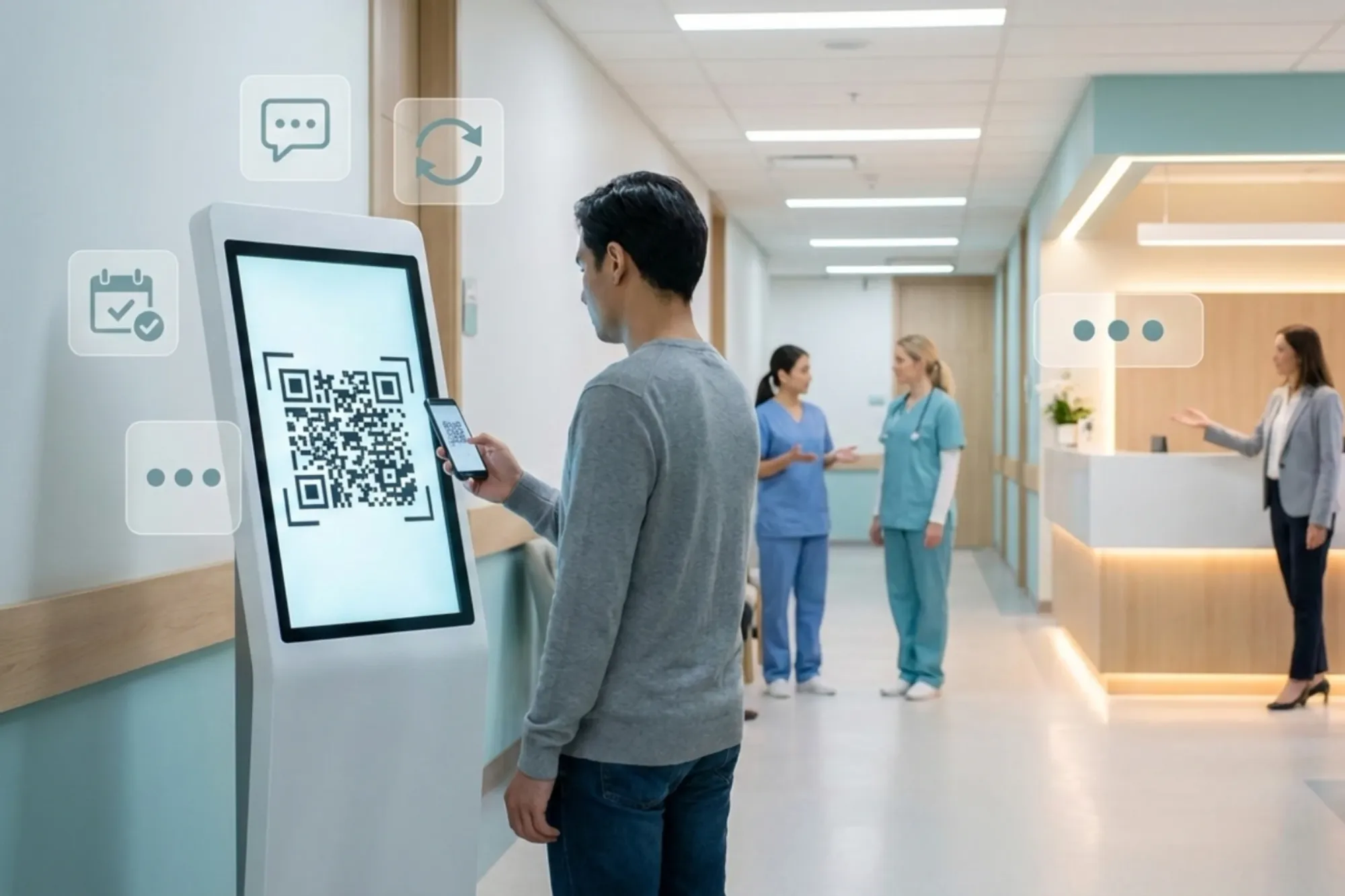
- Digital check-in to pre-collect information and shorten lines.
- Online booking via link to reduce phone load.
- Packages and session scheduling for rehab (for example, 10 physiotherapy sessions).
A common scenario is post-op care: when the clinic standardizes follow-ups (7, 14, and 30 days) and automates confirmations, it reduces gaps in the schedule and improves adherence. In Ninsaúde Clinic, for example, online booking, QR-based check-in, and automated confirmations help support these routines without overloading the team.
Integrated finance and insurance: protecting your margin
In orthopedics, average ticket size can be high, but margins erode quickly with denials, payment delays, and manual control. The best system connects care delivery, billing, and reconciliation—so information doesn’t live in separate silos.
The essentials in a finance module
- Accounts payable and receivable with cash flow (actual and projected).
- Bank reconciliation to reduce discrepancies.
- Commission rules (percentage, fixed value, or period-based) for multidisciplinary teams.
- Management reporting by unit, service line, or provider.
For insurance-based clinics, it’s critical to see production by period and the status of each authorization/claim, keeping documentation linked to the encounter. In Ninsaúde Clinic, for example, finance integrates accounts, reconciliation, and commissions, while billing organizes authorizations and reports by status—reducing rework and denial risk.
Practical example: month-end close without “hunting for data”
When physicians and rehabilitation teams follow different payout rules, an integrated system prevents disputes, speeds internal auditing, and improves predictability. The goal is simple: close the month with reliable numbers without depending on multiple spreadsheets.
Payments and care packages: less friction, higher conversion
Beyond insurance, orthopedics often includes self-pay services, procedures, and bundles (consultation + follow-up + rehab). Manual charging and unclear communication increase delinquency and strain the front desk.
Best practices the system should support
To simplify collection and reduce open balances, it helps to have:
- Payment links and digital options to pay before, during, or after the visit.
- Direct integration with finance to record payments without duplication.
- Package management (sessions or monthly plans) with balance tracking.
When the clinic sells rehab packages, the system must track remaining sessions and guide the team during scheduling. Solutions like Ninsaúde Pay illustrate this approach by enabling link-based payments and digital options integrated into finance—helping organize packages without improvisation.
Post-visit follow-up and CRM: orthopedics depends on continuity
A large share of orthopedic growth comes from well-managed follow-ups, patient reactivation, and word-of-mouth. Without structured relationship management, clinics lose contact with patients who should return in 30 or 60 days.
How a medical CRM helps in concrete terms
An effective CRM supports:
- Segmentation (time since last visit, insurer, clinical profile).
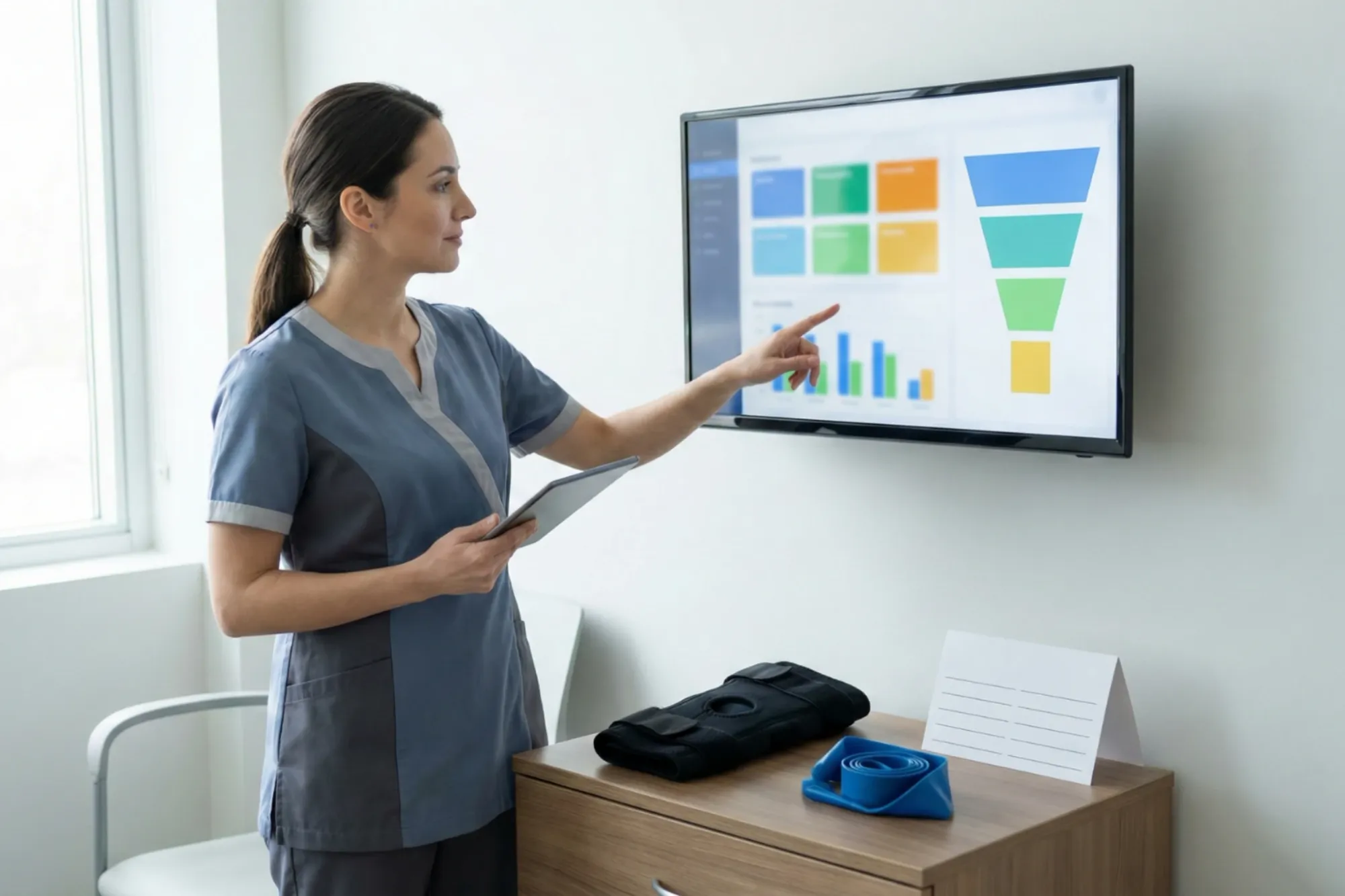
- A follow-up funnel (first visit → follow-up → procedure → rehab).
- Automations for reminders and targeted campaigns.
This reflects a real operational need: identifying patients who had an injection 6–8 months ago and haven’t returned. Technology solves this by filtering that group and sending the right reminders—without manual lists. In Ninsaúde Clinic, for example, CRM segmentation and automation help reactivate patients in a few clicks, keeping communication history organized and traceable.
Signatures, telemedicine, and security: governance without slowing operations
Orthopedics relies on informed consent, prescriptions, certificates, and documents that require legal validity and clean organization. At the same time, data protection is a management requirement—not an optional add-on.
What to prioritize for compliance and efficiency
- Digital signatures for clinical documents and prescriptions.
- Electronic signatures for consents and contracts, with a copy sent to the patient.
- Integrated telemedicine for simple check-ins and guidance.
- Role-based access and audit logs for traceability and privacy compliance.
Example: a remote follow-up to discuss an MRI reduces cancellations, frees in-person slots for acute cases, and keeps documentation inside the medical record. When signatures and teleconsultations are integrated, the clinic avoids operational shortcuts that often create risk and rework.
Integrations and KPIs: the system must speak the language of management
As the clinic grows, BI needs, unit-level dashboards, and connections to other platforms become essential. A closed system becomes a bottleneck.
Quick questions to choose better
- Is there an API to integrate with ERP, BI, or other tools?
- Do the data and reports support dashboards without manual rework?
- Is it easy to standardize configurations across units or locations?
Systems with an API and well-structured reporting support scalable growth and governance.
How to choose safely: a checklist and a workflow test
To avoid decisions based only on a sales demo, combine objective criteria with a short test based on real cases.
Essential checklist to compare vendors
- EMR with protocols and customization, plus organized attachments.
- Scheduling with automation (confirmations, check-in, booking link, sessions).
- Integrated finance and insurance (reconciliation, commissions, authorizations, statuses).
- Security and auditing (roles, logs, and privacy practices).
- Integrations and KPIs (API, reporting, BI readiness).
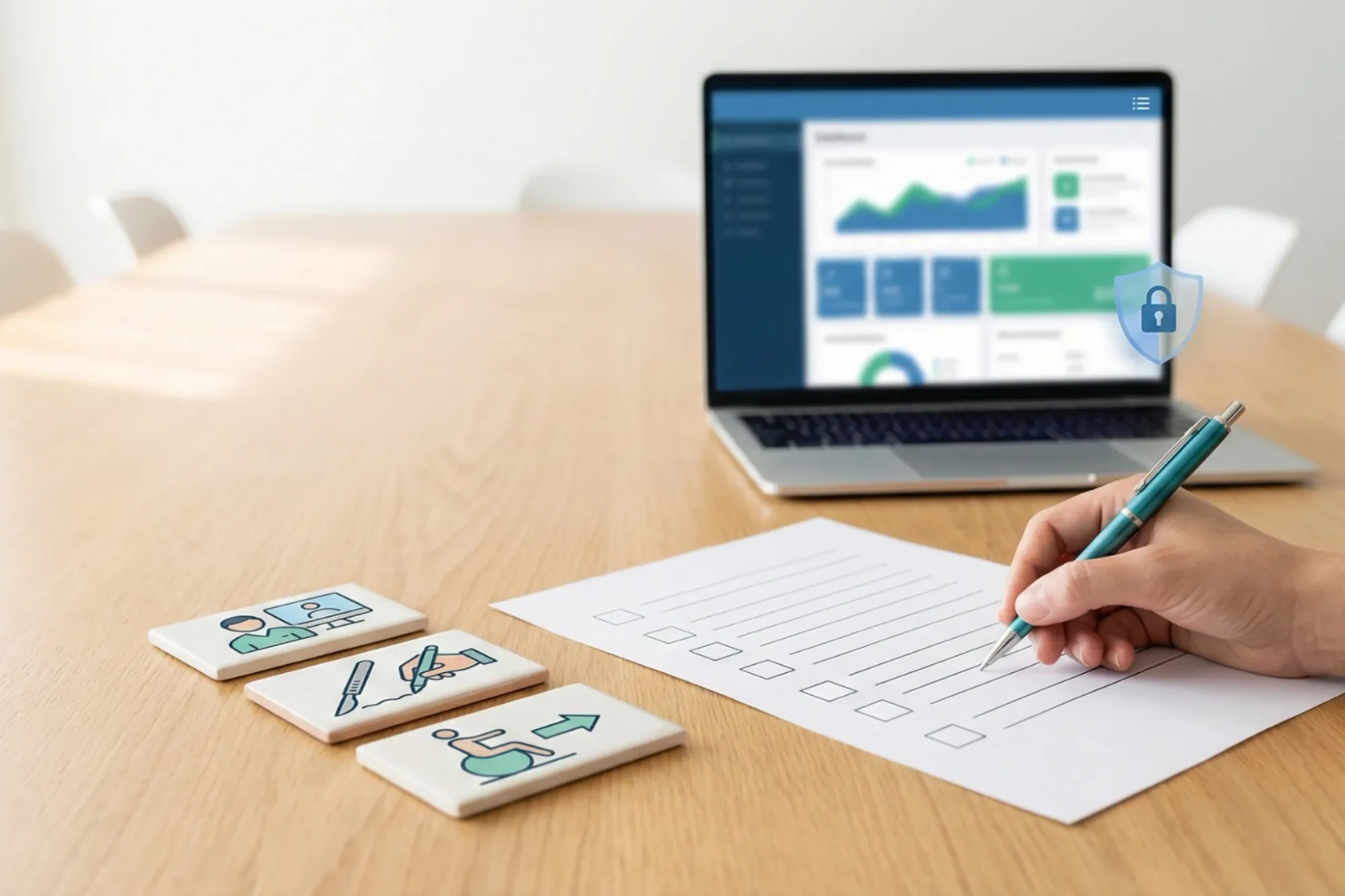
A quick workflow test
Bring three typical scenarios and ask to execute the full cycle:
- consultation + test request + follow-up;
- procedure with consent/signature and payment;
Enjoyed these insights?
Keep following our blog for more content on clinic management, medical marketing, and healthcare innovation.
Are you a healthcare professional who hasn’t tried Ninsaúde Clinic yet? Discover how the platform can streamline processes and elevate the quality of patient care.
