
The adoption of the GDPR (General Data Protection Regulation) has changed how Spanish clinics organize processes, choose systems, and train their teams. For management, the discussion goes beyond “complying with a law”: it involves protecting highly sensitive information, reducing operational risk, and sustaining patient trust in an increasingly digital environment (telemedicine, electronic health records, integrations, and multichannel communication).
In practice, GDPR adaptation in Spain happens when technology and governance move together: data mapping, access controls, traceability, clear policies, and vendors that support the day-to-day work of clinical and administrative teams. In this article, we will address Technology: How are clinics in Spain adapting to the GDPR?
What changes when we talk about health data
Under the GDPR, health data falls into “special categories”, which require stronger controls. For the clinic, this means reducing exposure within the medical record, standardizing communications, and having audit-ready evidence when something goes wrong.
In Spain, in addition to the GDPR, the LOPDGDD (Organic Law 3/2018) complements the regulation with country-specific provisions. In practice, the clinic needs to justify the legal basis, limit access, document decisions, and apply technical and organizational measures proportional to risk.
Legal bases in clinical routines: where managers most often slip
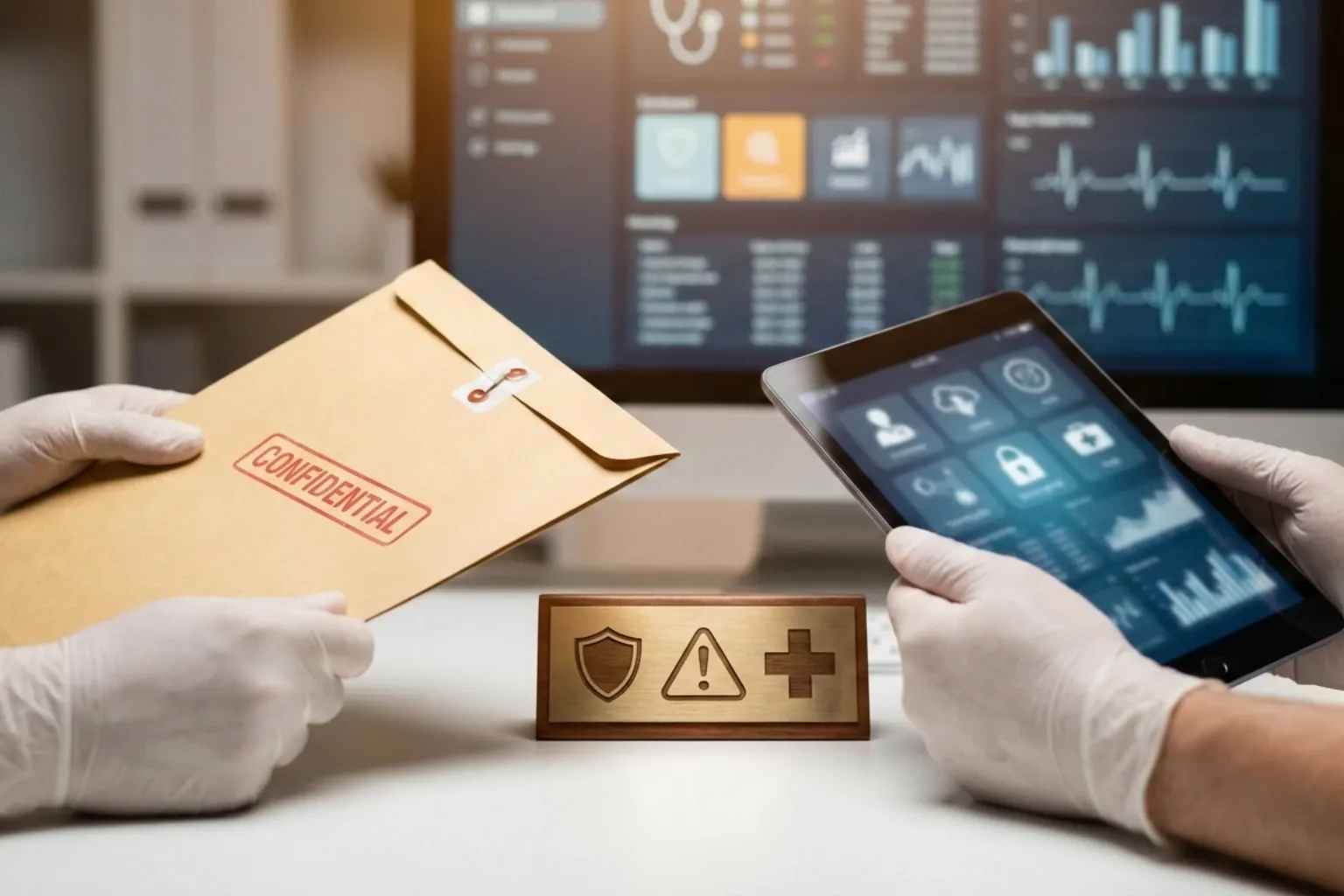
A common mistake is treating “consent” as the answer to everything. In healthcare, much of the processing is grounded in the provision of care and professional obligations; consent tends to be more relevant for commercial communications and uses that are not necessary for care delivery.
Examples worth reviewing with legal counsel/the DPO:
- Clinical care (recording and continuity of care).
- Telemedicine (identity, evidence, and secure storage).
- Marketing/patient relationship communications (opt-in/opt-out and channel preferences).
How GDPR adaptation becomes a management program (not an “IT task”)
More mature clinics treat GDPR as an ongoing program. Technology becomes an instrument to sustain processes, reduce human variability, and facilitate audits.
Before we move on, one important note: if you manage a healthcare clinic and need better scheduling organization, a secure electronic health record, and centralized financial processes, Ninsaúde Clinic can streamline your daily operations. Get in touch to learn more.

Data mapping and systems inventory
Before discussing tools, the clinic needs to know what data it collects, why, where it is stored, and with whom it is shared. A simple inventory typically covers:
- Intake channels (front desk, call center, website, telemedicine).
- Systems and modules (medical record, scheduling, finance, documents).
- Integrations/third parties (payments, messaging, accounting, laboratory).
- Data types and sensitivity (clinical data, tests, images, minors).
This map prevents “blind” investment and helps prioritize data minimization, access, and traceability.
Electronic health records with “privacy by default”
The medical record concentrates both value and risk. Spanish clinics that have progressed well under the GDPR typically tune access to the record without blocking clinical workflow.
Typical best practices:
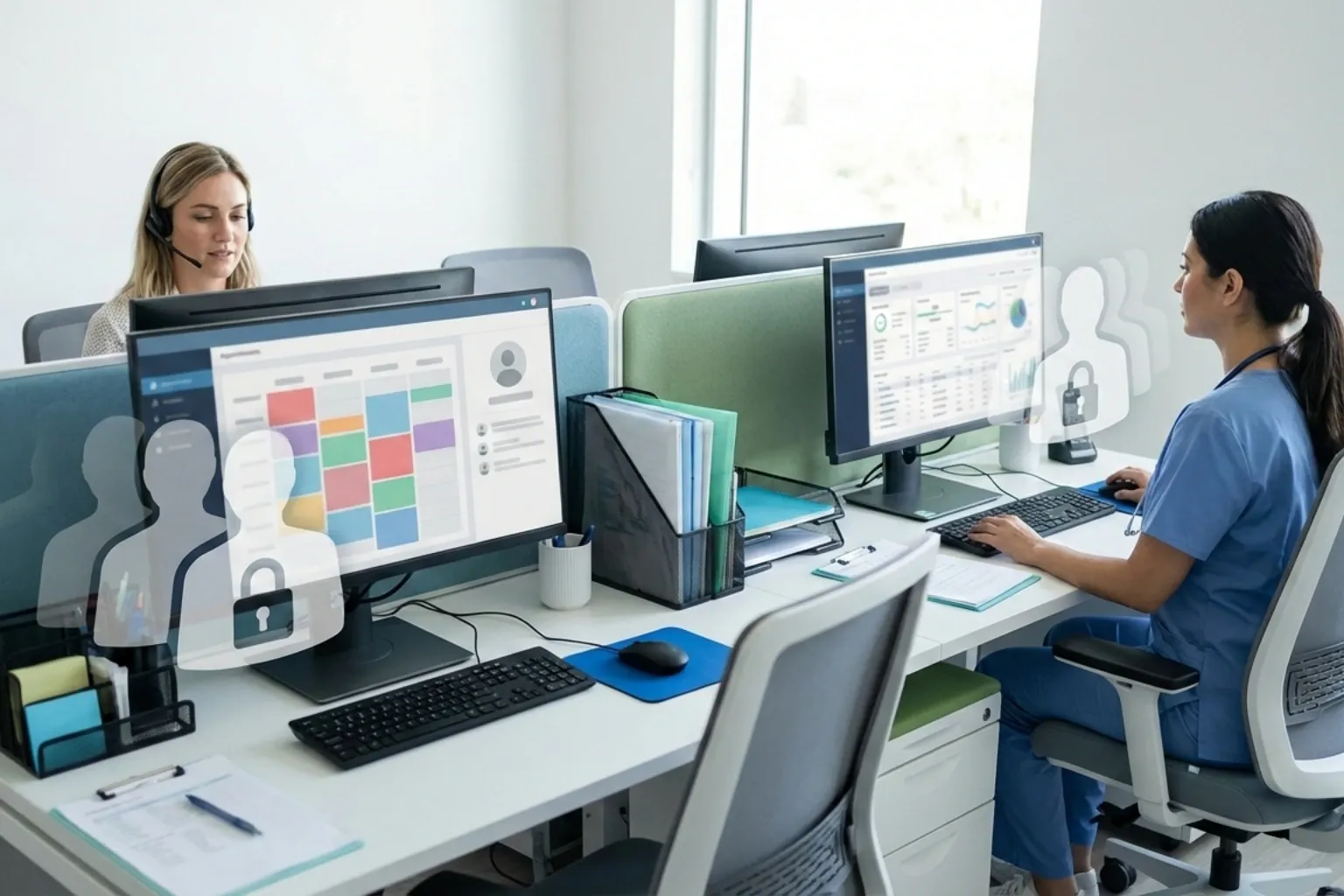
- Role-based profiles and permissions (physician, nursing, front desk, billing).
- Least privilege: the minimum access needed for the task.
- Traceability: logging of access and changes.
Practical example: limiting the front desk to operational data (schedule/contact/insurer) reduces exposure without harming care delivery.
Managing consents, documents, and evidence
Consents and documents add value when they become easily retrievable evidence, especially in telemedicine and procedures. The management gain comes from standardization:
- Define which document applies to each situation.
- Capture signatures (in-person or remote) with date/time records.
- Store evidence linked to the medical record, easy to locate.
Data subject rights: clear processes so it doesn’t turn into a crisis
Requests for access, rectification, and portability need a simple, traceable flow. In healthcare, there are practical limits (retention obligations and care-related purposes), so the key is consistent responses.
A lean flow usually includes:
- A single channel for requests and identity verification.
- Recording the request, owner, and internal deadline.
- Secure response (avoiding sending sensitive data through weak channels).
Information security applied to daily work (not just a “policy on paper”)
Security becomes routine when it shows up on screens and in habits:
- Encryption and secure storage of documents/tests.
- Audit logs to investigate access and changes.
- Backups and recovery to prevent loss of records.
- Authentication and session control (especially on shared workstations).
Without these capabilities, the clinic loses visibility precisely when it needs to demonstrate controls.

The role of vendors: contracts and shared responsibility
Vendors (EHR, messaging, cloud, payments) directly affect risk. That’s why clinics in Spain commonly require an appropriate contract/DPA and review key points before integrating:
- Where data is stored and whether there are international transfers.
- Access controls, audit/logging, and incident response.
- Rules for sub-processors/sub-vendors and integrations.
Integrations and APIs: efficiency with controlled scope
Integrations reduce manual entry and improve the patient experience, but they require technical discipline. Three rules often solve 80% of issues: share only what is necessary, use credentials with restricted permissions, and do not test with real data.
Telemedicine, messaging, and patient relationship: the most sensitive boundary
In recent years, clinics in Spain have expanded telemedicine and digital communication for patient convenience. GDPR adaptation here means balancing experience and security.
Communication best practices (without slowing operations)
To keep the experience smooth without exposing data, many clinics standardize communications with minimal information and secure document delivery:
- Confirmations with basic details (date/time/clinician) and no clinical content.
- Reports and results via a portal/authenticated link with expiration.
- Patient preferences recorded (allowed channel and opt-out).
A technology example applied to the GDPR without a “compliance vibe”
When a question comes up (“who accessed it?”, “when was it signed?”, “how was it sent?”), what separates control from improvisation is evidence. Systems with role-based permissions, encryption, and audit logs help turn compliance into a routine—and these capabilities exist in solutions such as Ninsaúde Clinic, according to its technical documentation.
Practical checklist for managers: what to review over the next 30 days
To move from “generic” to actionable, here’s a short roadmap:
- Map critical flows (scheduling, medical records, tests, telemedicine).
- Review roles and access (remove outdated permissions and segregate by function).
- Standardize documents/consents and how evidence is stored.
- Formalize third-party governance (contracts/DPA, integrations, and sub-processors).
- Train the team with real scenarios (WhatsApp, email, printouts, family requests).
Managers’ frequently asked questions (quick answers)
“Can I delete data from the medical record if the patient requests it?”
In healthcare, the request must be assessed carefully: there are often retention obligations and care-related purposes. Rather than deleting indiscriminately, clinics typically work with access restriction, rectification, recording objections, and—when applicable—anonymization for secondary uses.
“Does telemedicine increase risk?”
It changes the risk: identity, channel security, evidence, and permissions become even more critical. With the right processes and technology, telemedicine can be as secure as (or more secure than) manual workflows.

From compliance to trust: GDPR as an operational differentiator in Spanish clinics
Clinics in Spain that adapted best to the GDPR didn’t do it as a “side project”—they embedded privacy and security into care design. When technology supports access controls, traceability, signed documents, and secure communication, management gains predictability: less rework, fewer incidents, faster patient responses, and an operation that scales without relying on heroes.
In the end, GDPR is not only about avoiding fines. It’s about protecting the clinic’s most valuable asset—health information—and turning trust into continuity of care, reputation, and sustainable growth.
Enjoyed these insights?
Keep following our blog for more content on clinic management, medical marketing, and healthcare innovation.
Are you a healthcare professional who hasn’t tried Ninsaúde Clinic yet? Discover how the platform can streamline processes and elevate the quality of patient care.
