

Reception automation is the fastest way to reduce no-shows, cut rework, and organize day-to-day patient service without losing a welcoming, human touch. In high-volume clinics, with multiple providers or more than one location, the front desk becomes the operational nerve center: when it breaks down, the whole day unravels.
When a clinic automates steps like appointment confirmation, digital check-in, and registration, the team gains consistency, clinicians protect their schedules, and patients feel a smoother experience. The most common outcome is straightforward: fewer lines, less stress, and higher patient satisfaction.
Why reception automation has become a priority in clinic management
The front desk handles tasks that seem small, but repeat hundreds of times per week: replying to messages, confirming times, verifying patient data, guiding arrivals, dealing with delays, same-day add-ons, and payments. When all of this is manual, the symptoms are predictable: no-shows without notice, incomplete registration, confusing queues, and a finance workflow filled with rework.
Reception automation works like a quality standard. It ensures the basics happen the same way every time, even when staff changes, shifts rotate, or the operation grows. For managers, it becomes control. For front desk teams, it becomes breathing room. For clinicians, it becomes rhythm. For patients, it becomes trust.
Before we move on, one important note: if you manage a healthcare clinic and need better scheduling organization, a secure electronic health record, and centralized financial processes, Ninsaúde Clinic can streamline your daily operations. Get in touch to learn more.

What reception automation really means in practice
Automating is not about filling the clinic with technology. It is about designing a flow that reduces interruptions and prevents common errors. Think of reception like a quality-driven production line: each step needs a clear input, a defined output, and a way to record what happened.
In practice, reception automation covers three fronts:
- Patient communication, before and after the appointment
- Internal flow organization, from arrival to being seen
- Integration with billing and performance indicators, so managers can monitor outcomes
A system like Ninsaúde Clinic is often referenced because it connects these routines into a single workflow, so reception does not depend on spreadsheets, handwritten notes, or lost messages. Automation becomes less about tools and more about process reliability.
Start where results come fast: confirmations and schedule organization
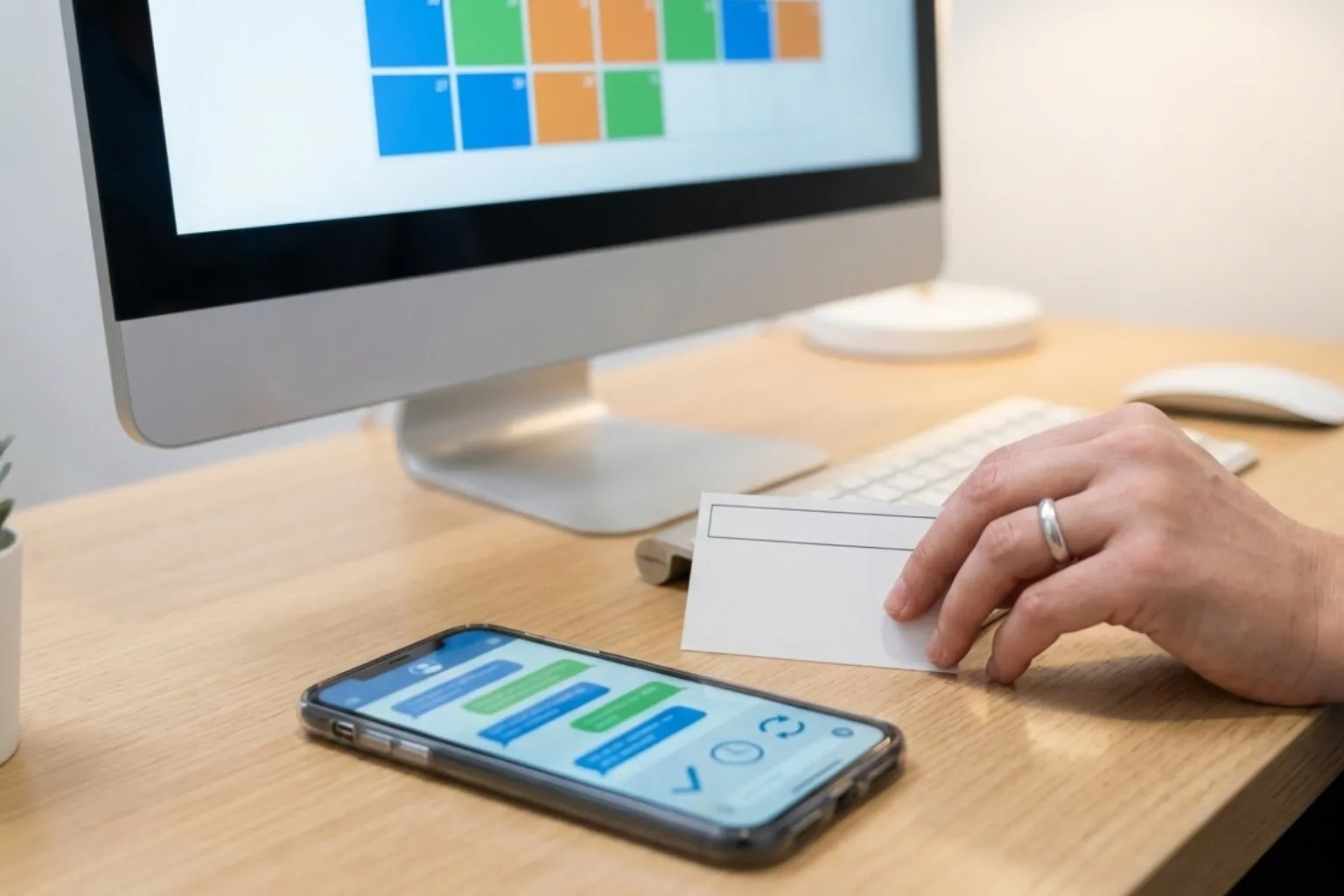
Most clinics lose money without realizing it for two reasons: no-shows and schedule gaps caused by last-minute cancellations. Automated appointment confirmation is almost always the first step with the best ROI.
A well-designed confirmation flow reduces missed appointments because it:
- Reminds the patient at the right time
- Makes it easy to confirm or reschedule
- Enables schedule backfilling when cancellations happen
Practical workflow example for clinics:
- Confirmation sent 48–72 hours before, with a quick-response option
- A second reminder 24 hours before for those who did not respond
- Internal rule defined: if the patient does not confirm by a cutoff time, reception either reaches out or releases the slot to a waitlist
For front desk teams, this reduces surprises. For clinicians, it reduces empty slots. For managers, it increases occupancy and productivity.
Digital check-in and registration: the end of the line for forms and documents
The most critical moment at reception is arrival. That is when lines grow, patients become anxious, and front desk staff must solve everything at once. Digital check-in changes the game by moving registration tasks before peak pressure.
When patients fill in details calmly, you reduce:
- Typing mistakes and missing fields
- Time spent verifying information on arrival
- Tension at the front desk during busy hours
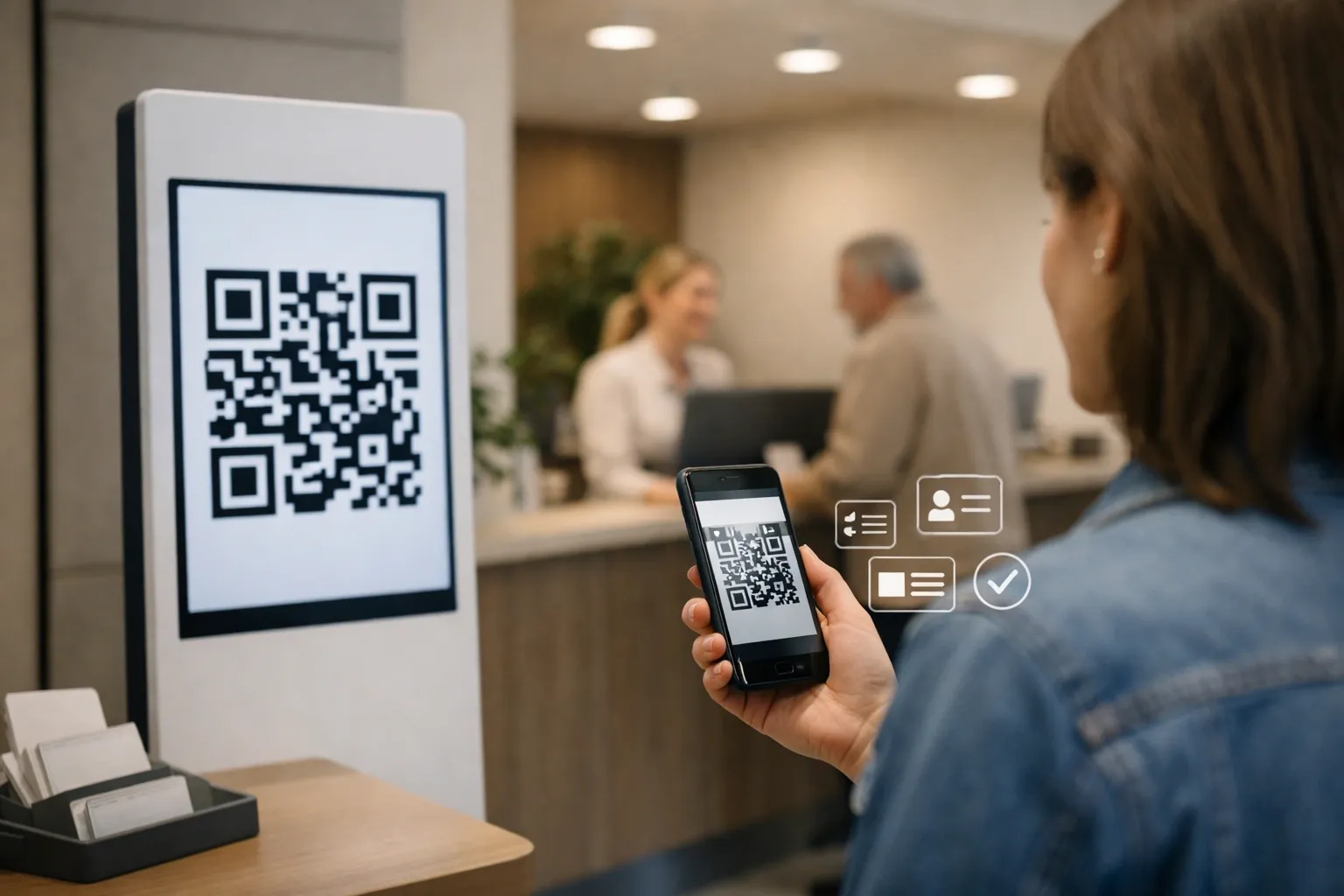
In practice, QR code check-in allows patients to update their details without blocking reception. Ninsaúde Clinic includes this type of functionality, which is a clear example of reception automation: patients participate in their own journey while the team validates and keeps the flow moving.
Checklist: what is worth automating in check-in
- Contact and registration details
- Insurance and essential documents
- Acknowledgement terms when applicable
- Address confirmation and financial responsible party
Patient flow: how to prevent confusion between arrival, waiting, and exam rooms
Many clinics assume the problem is not enough front desk staff, when the real issue is a lack of visibility into patient flow. The patient arrives, someone notes it on paper, the clinician asks if they arrived, someone is called out of order, and the overall feeling is disorganization.
Automating clinic flow means having clear stages:
- Arrival logged
- Patient status as waiting
- Routing to the room
- Start and end of the visit when needed
This is especially important in multidisciplinary clinics, with multiple rooms and providers working simultaneously. When the flow is traceable, reception stops running on improvisation and starts running on status.
Signs you need to automate flow
- Patients complain about lack of guidance
- Clinicians interrupt reception to ask who arrived
- Shift changes cause information loss
- Constant conflict about who is next
Automated messaging: fewer calls, clearer expectations for patients
A key driver of patient satisfaction is predictability. When patients know where to go, what to bring, how the visit works, and how to reschedule, frustration drops.
Automated messages work best when they are short and specific. Strong automations include:
- Reminder with date, time, and location
- Pre-visit instructions with documents and preparation
- Delay notifications when needed
- Post-visit administrative guidance, such as follow-up scheduling or document delivery
Simple example, without long text:
Hello, your appointment is confirmed for tomorrow at 3:00 PM. Please arrive 10 minutes early. To reschedule, reply RESCHEDULE.
This reduces repeated calls and repeated messages. And when the clinic uses a reception management system like Ninsaúde Clinic, these routines stay centralized, with history and less risk of failure.
Integrated payments at reception: less rework, more cash flow consistency
Reception and finance cannot operate as separate islands. When payment, receipts, and posting happen outside the workflow, managers lose control and reception becomes the information bridge all day long.
Automation here does not need to be complex. It starts with integration and rules:
- Register charges within the same encounter
- Organize prepayments or payment at time of visit
- Reduce manual entries and end-of-day reconciliation
With Ninsaúde Pay, Ninsaúde Clinic becomes an example of automation that impacts cash flow: payments before or during the visit increase consistency and help reduce operational delinquency. For clinics struggling with slow closing routines, this kind of integration reduces noise and speeds up the day.
Essential indicators to confirm automation is working
Without indicators, automation becomes a feeling. Clinic management needs simple numbers that show day-to-day improvement.
Easy front desk metrics to track
- No-show and cancellation rate
- Schedule occupancy per provider
- Average wait time at arrival
- Percentage of complete registrations from check-in
- Number of visits handled per reception shift
How to use this in a practical way
- Set a baseline for two weeks
- Automate confirmations and check-in
- Compare before and after using the same indicators
- Adjust rules and messages weekly
This improvement loop is what turns automation into an operational standard, not an implementation project that fades after rollout.
What changes when reception is truly automated
When reception automation is applied well, clinics see fast change. Front desk staff work from lists and statuses, not memory. Managers measure instead of guessing. Clinicians work with fewer interruptions and better rhythm. Patients feel the clinic is organized.
Summary of what to take from this guide
- Automated confirmations and no-show reduction are the first major win
- Digital check-in reduces lines, errors, and peak-hour stress
- Status-based patient flow reduces confusion and improves patient experience
- Integrated payments reduce rework and increase cash flow consistency
- Simple indicators sustain continuous improvement without overcomplicating operations
- A system like Ninsaúde Clinic is an example of how to integrate front desk processes to increase efficiency and patient satisfaction
Enjoyed these insights?
Keep following our blog for more content on clinic management, medical marketing, and healthcare innovation.
Are you a healthcare professional who hasn’t tried Ninsaúde Clinic yet? Discover how the platform can streamline processes and elevate the quality of patient care.
