
In many clinics, the patient experience looks organized on the surface, but behind the scenes it runs on sticky notes, spreadsheets, scattered WhatsApp threads, and fragmented records. The result shows up as delays, no-shows, rework, and decisions made without visibility.
When the patient journey is integrated into the system, the clinic gains rhythm. The front desk works with less pressure, clinicians start visits with more context, and leadership can spot bottlenecks and opportunities in real time—from first contact to follow-up.
What a patient journey integrated into the system means
A patient journey integrated into the system is the management of the patient’s full path inside the clinic with every step documented and connected in one platform: scheduling, reminders, check-in, clinical care, documents, billing, follow-up, and relationship management.
In practice, it means every team stops operating like an island. The front desk doesn’t have to hunt for history in old messages, clinicians don’t waste time re-collecting the same information, and managers can track what truly matters: utilization, no-show rate, conversion, claims accuracy, provider payouts, margin by service, and patient retention.
Integration isn’t just technology—it’s process
An integrated system isn’t there to digitize chaos. It’s there to standardize workflows, automate routines, and reduce variation. Without that, the clinic grows—and the chaos grows with it.
Before we move on, one important note: if you manage a healthcare clinic and need better scheduling organization, a secure electronic health record, and centralized financial processes, Ninsaúde Clinic can streamline your daily operations. Get in touch to learn more.

Why integrating the patient journey improves the entire clinic
For managers, providers, and front-desk teams, the most visible benefit is less friction—fewer interruptions, fewer doubts, fewer manual tasks. But the gains go further.
Lower no-show rates and more predictable utilization
When the journey is integrated, automated confirmations and reminders go out at the right time, with clear rules by patient profile and appointment type. That reduces schedule gaps and improves capacity, especially in clinics with multiple providers and locations.

Faster visits with better context
With an integrated electronic health record, providers start the visit with history, documents, tests, and key information already available. That improves clinical quality and reduces time lost to repetition.
Billing aligned with what was delivered
One of the biggest leaks in clinics is when what was performed doesn’t become billable revenue accurately—or becomes revenue too late. An integrated journey connects care delivery, billing, payouts, and reporting, reducing inconsistencies and rework.
Patient journey stages—and how to integrate each one
Below is a practical roadmap to evaluate your clinic’s integration maturity and prioritize improvements.
Scheduling integrated into the system
Scheduling is the real start of the patient experience. If it begins with friction, drop-off risk increases.
Online scheduling with clear rules
When a clinic uses online scheduling integrated into its system, patients can find times, choose a provider, and receive guidance without back-and-forth messages. In solutions like Ninsaúde Clinic, you can generate booking links by provider or for the entire clinic and set notifications and availability rules by location.

Collect essential information without friction
A strong system captures what’s necessary before the visit without turning it into red tape. That prepares the encounter and reduces waiting at check-in.
Appointment confirmations and reducing no-shows
Confirmation is a simple step that heavily impacts schedule health.
Automation via WhatsApp, SMS, and email
Automated confirmations reduce no-shows, but they need logic: when to send, what happens if there’s no confirmation, and how to offer rescheduling. A patient journey integrated into the system makes that flow trackable instead of relying on someone to remember.
Waitlist and backfilling openings
With data connected, you can identify high-risk slots and act quickly—replacing cancellations with waitlist patients and reducing wasted capacity.
Patient check-in and an organized front desk
The front desk is where volume becomes real. If check-in slows down, everything slows down.
Digital check-in to remove bottlenecks
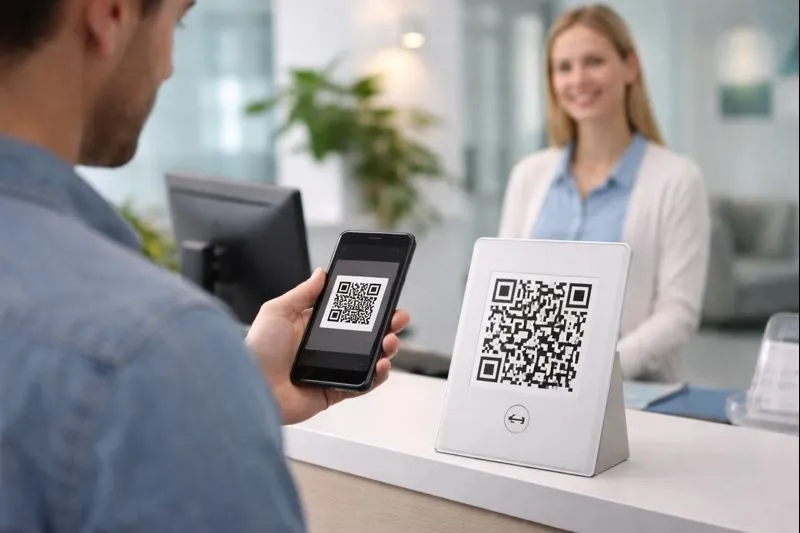
QR code check-in and self-service intake forms reduce front-desk congestion. Ninsaúde Clinic, for example, supports workflows that lighten the front desk load and standardize registration.
Standardized triage and routing
In multi-specialty clinics, integration prevents confusion: visit order, room routing, and arrival status are centralized, reducing noise between front desk and clinical teams.
Care delivery with EHR and protocols
The visit is the most expensive moment of the operation. Every minute should count.
A productive, customizable electronic health record
When the EHR is integrated, providers access history, attachments, allergies, prescriptions, documents, and forms in one place. Custom protocols and configurable templates help standardize quality and speed documentation.
Integrated documents and e-signatures
Consent forms, agreements, and clinical documents require control. E-signature and organized storage reduce risk, lost files, and rework. In environments like Ninsaúde Clinic, this connects to the care flow—so documents don’t live in random folders.
Payments and billing connected to care delivery
Integration turns operational activity into revenue with less friction.
Collect payments at the right time
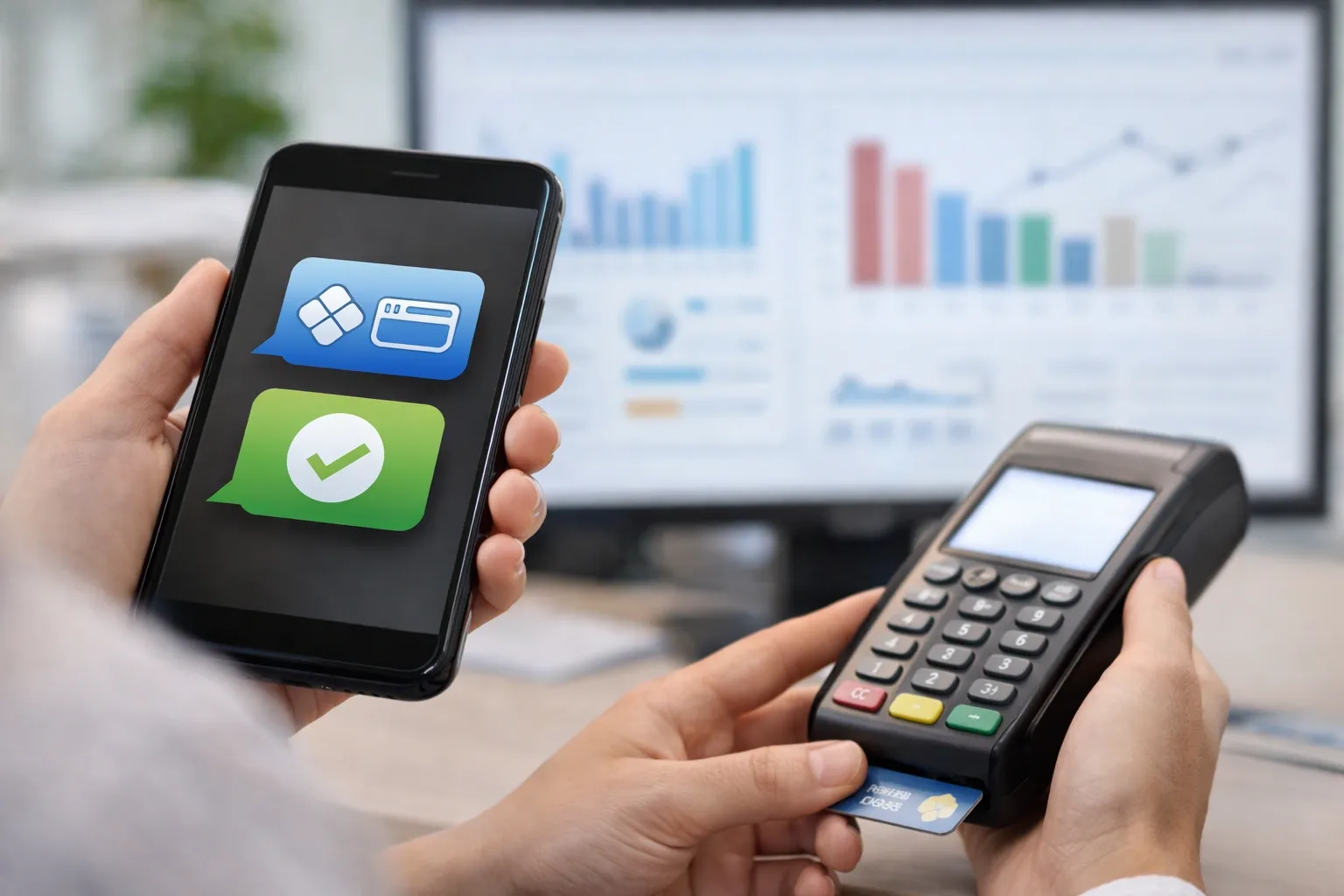
Collecting payment before or during the visit increases predictability and reduces delinquency. When it happens inside the system, the clinic avoids parallel controls and manual reconciliation. With Ninsaúde Pay, for example, payment connects to finance and ledger entries.
Payer workflows and controls to reduce denials
If your clinic works with payers, the system must reduce operational errors. Integrated workflows help track authorizations and billing steps, reducing denials and rework.
Post-visit: follow-up, retention, and continuity
Many clinics end the journey when the patient leaves the room. Retention happens after.
Automated follow-ups and return visits
The system should simplify follow-ups, reminders, and care pathways by case type. That improves outcomes and supports ethical, consistent continuity.
CRM and patient segmentation
When the clinic has a CRM inside the system, you can segment by profile, behavior, and purchase history to run retention and reactivation campaigns intelligently. Ninsaúde Clinic provides pipelines and filters to support this without endless spreadsheets.
KPIs to monitor an integrated patient journey
Without KPIs, integration becomes a nice promise—but invisible.
Managerial metrics that matter
A few metrics become especially powerful when the journey is connected:
- no-show and cancellation rate by provider and location
- average time from booking to visit
- return-visit rate by specialty and appointment type
- lead-to-appointment conversion rate
- delivered vs recorded vs billed
- margin by service and payer
- cycle time from arrival to checkout
Systems with reporting and BI integrations—such as Power BI via open API—make it easier to see performance by location and service line and to make decisions based on evidence, not gut feel.

Location-by-location visibility for scalable growth
For groups and growing clinics, integration enables comparisons across units, helps identify bottlenecks, and supports improvements grounded in data.
How to implement an integrated journey without disrupting operations
Good integration isn’t a “big bang” switch. It’s sequencing.
Start with what pays back fastest
Most clinics see quick wins from:
- scheduling + automated confirmations
- digital check-in + standardized intake
- EHR templates and protocols
- finance connected to care delivery
- post-visit follow-ups and CRM
That order reduces noise and builds internal confidence.
Train by role—not by software
Front-desk teams need scheduling, confirmations, and check-in. Providers need EHR, documents, and prescribing workflows. Managers need reporting and finance. Role-based onboarding accelerates adoption and reduces resistance.
Integrate with your ecosystem when it makes sense
If your clinic already uses external tools, an open API helps connect what must be connected without hacks. Ninsaúde Clinic, for example, offers an open API to support integrations and scale the ecosystem securely.
Why Ninsaúde Clinic is a strong example of an integrated journey
For clinics with higher volume, multiple providers, and a need for predictability, the differentiator is connecting operations and management into one flow. Ninsaúde Clinic stands out by linking multi-provider scheduling, online booking, confirmations, check-in, a customizable EHR, e-signatures, CRM, and robust financial management—reducing rework between front desk, clinical teams, and administration.
In practice, this prevents the common domino effect: scheduling issues create late rooms, which creates unhappy patients, which leads to rescheduling, which creates gaps in production, which creates unstable revenue. With a patient journey integrated into the system, the clinic builds consistency and can scale with control.
Enjoyed these insights?
Keep following our blog for more content on clinic management, medical marketing, and healthcare innovation.
Are you a healthcare professional who hasn’t tried Ninsaúde Clinic yet? Discover how the platform can streamline processes and elevate the quality of patient care.
