

The administration of clinics in the Philippines has particular characteristics compared with other countries, especially because of the direct role physicians play in management. Unlike many markets where the administrative manager is a common figure, in the Philippines it is frequent to find clinics run directly by their founders, who are also the healthcare professionals. This reality brings a series of challenges and demands a balanced approach between clinical practice and administrative efficiency.
In this article, we will discuss how doctors manage clinics in the Philippines.
Profile of the physician-manager in the Philippines: who leads the clinics
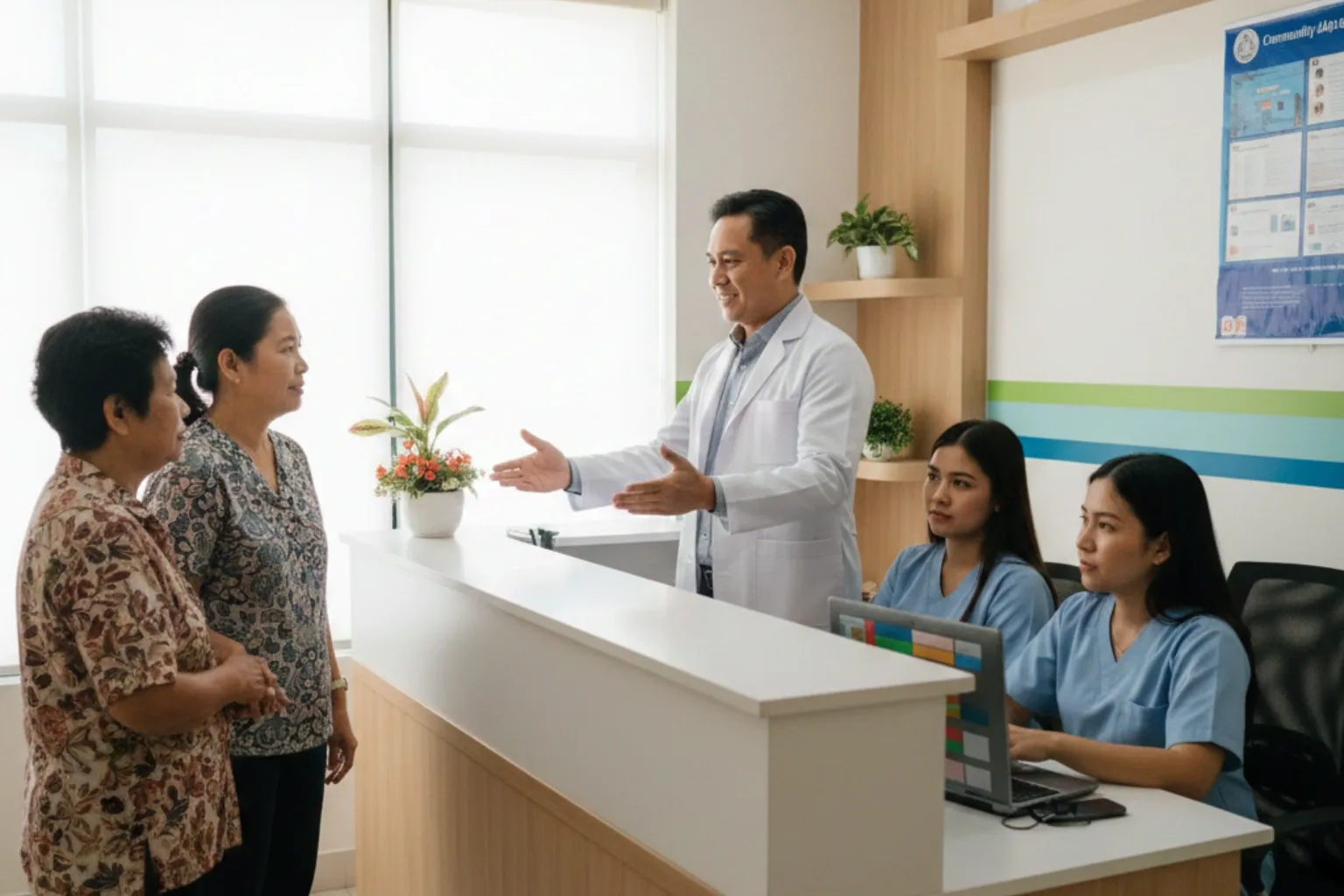
In the Philippines, many healthcare professionals decide to become entrepreneurs and open their own clinic after years of experience in hospitals or healthcare networks. This physician-manager profile usually shows strong dedication to medical practice but does not always have training or experience in business management. As a result, much of the administration is based on empirical experience, observation of the local market and knowledge sharing among colleagues.
Another important point is the close relationship with the community. Many of these physicians maintain bonds of trust with their patients, which directly influences loyalty and the organic growth of the clinic. This also means that the patient experience plays a central role in management.
In addition, it is common for Filipino doctors to be influenced by cultural values such as family care, humility and respect for hierarchy, which is reflected both in the way they lead teams and in how they deal with suppliers and partners.
Common challenges in managing clinics in the Philippines
Managing a clinic while also being the professional responsible for patient care creates several challenges. The main ones include:
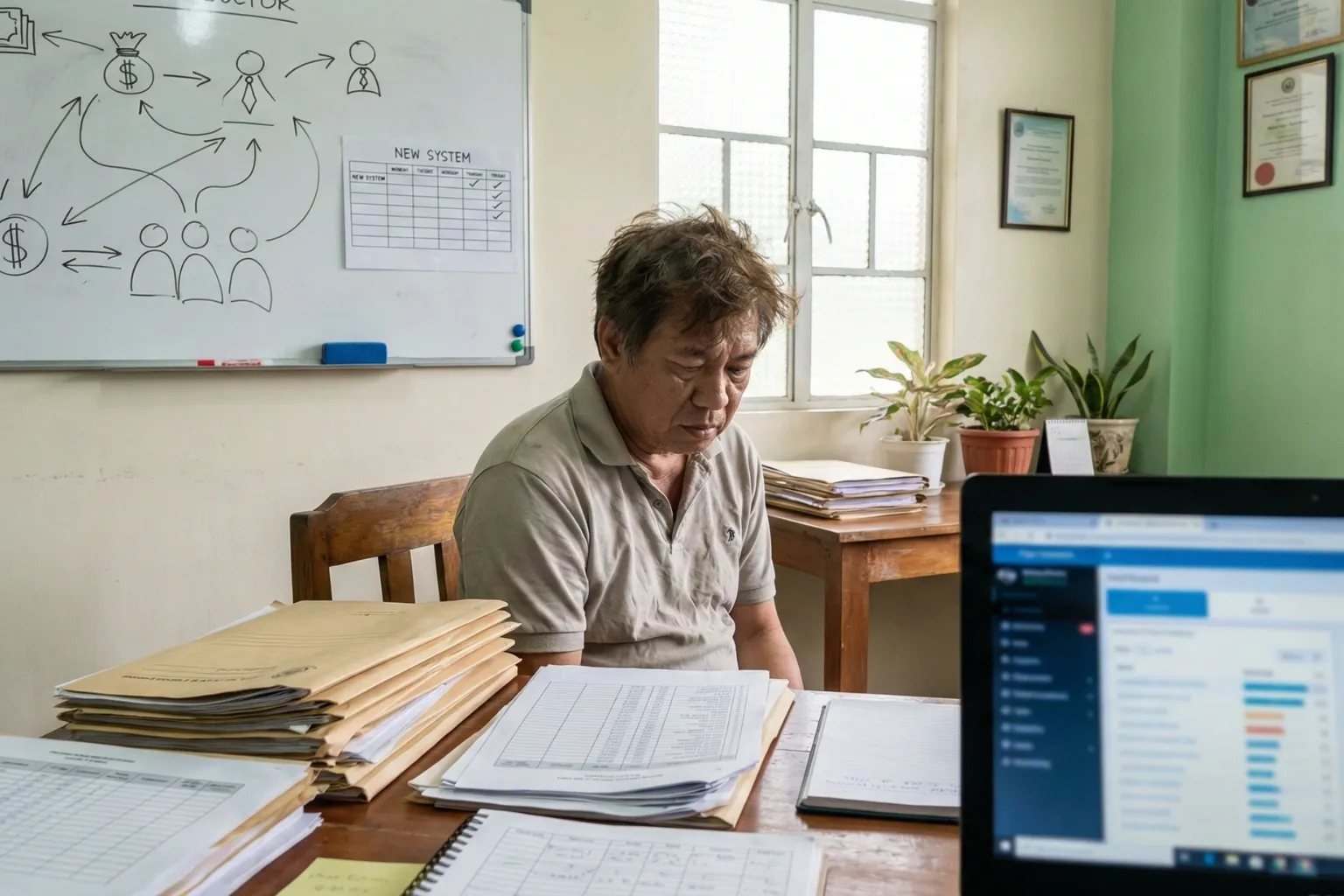
● Role overload: the doctor takes on administrative, financial and human resources responsibilities in addition to clinical practice.
● Lack of standardization: many clinics operate with informal, poorly systematized processes.
● Low digitalization: despite technological advances, paper records and manual scheduling are still common.
● Difficulty scaling the business: the lack of structured processes and integrated tools limits expansion.
Overcoming these challenges requires specific strategies, ranging from management training to adopting technologies suited to the local reality. Some clinics have sought support from medical associations or acceleration programs for emerging clinics, which offer mentoring and capacity building.
Tools and solutions used by clinics in the Philippines
Although a significant portion of clinics still operate manually, the number of facilities that adopt technology to optimize processes is growing. The main solutions include:
● Electronic health record (EHR) systems: used to improve documentation of visits and facilitate access to patient information.
● Scheduling software: allows better organization and helps reduce no-shows and delays.
● Digital payment platforms: support financial management and offer greater convenience to patients.
● Telemedicine: boosted after the pandemic, it facilitates remote access and expands the clinic’s reach.
Among the solutions available in the international market, Ninsaúde Clinic stands out by offering a customizable electronic health record, smart scheduling, integrated financial management and multilingual support, which makes adoption easier for clinics in countries such as the Philippines.
Before we move on, one important note: if you manage a healthcare clinic and need better scheduling organization, a secure electronic health record, and centralized financial processes, Ninsaúde Clinic can streamline your daily operations. Get in touch to learn more.

The importance of financial organization
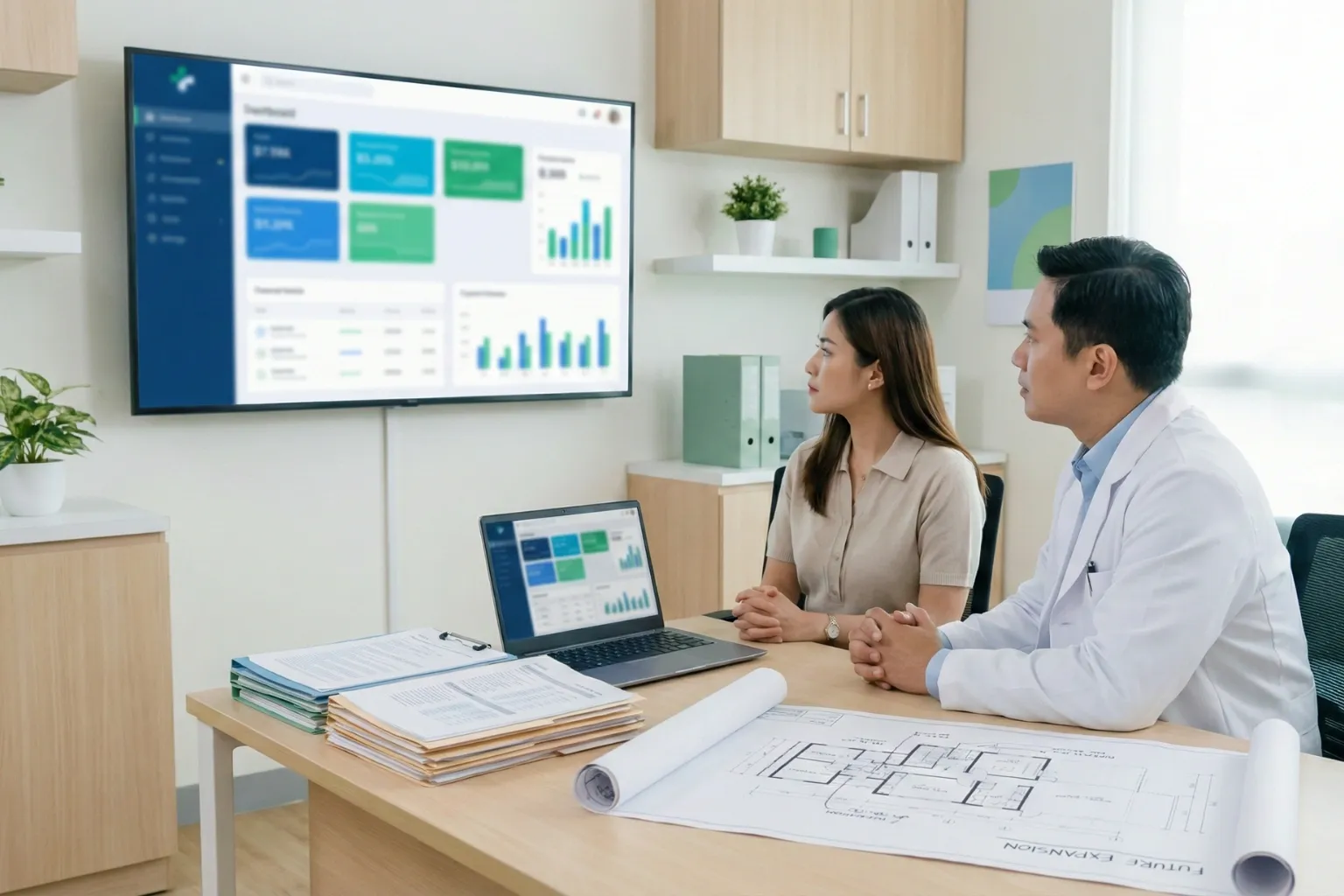
The sustainability of a clinic depends directly on financial control. Many physicians in the Philippines still manage their finances manually or with simple spreadsheets. However, professionalizing this area can be a turning point.
Key points of attention include:
● Control of accounts payable and receivable
● Predictable cash flow
● Recording commissions and payouts for partners and collaborators
● Issuing monthly financial reports
Tools that provide real-time visibility help the doctor make safer decisions about investments, hiring and expansion.
In addition, sound financial structure helps meet the requirements of audits and health insurers, especially in clinics seeking accreditation with these organizations.
Team and people management
Another central point is how doctors manage their teams. In Filipino clinics, it is common for the team to be lean: a receptionist, a nursing assistant and, occasionally, another doctor or specialist.
To keep the team engaged and productive, it is recommended to:
- Ensure clarity of roles and internal processes
- Promote ongoing training, even if informal
- Use simple performance indicators
- Provide regular, open feedback
The work environment is often family-like, which favors direct communication but can make it harder to implement a more structured organizational culture.
Adopting small leadership practices, such as brief weekly meetings or setting monthly goals, can have a major impact on alignment and productivity.
Patient care as a competitive differentiator
In markets heavily driven by personal referrals, such as the Philippines, the patient experience is one of the main factors in retention and growth. This means that small details, such as punctuality, comfort in the waiting room and friendliness in service, have a direct impact on the success of the business.
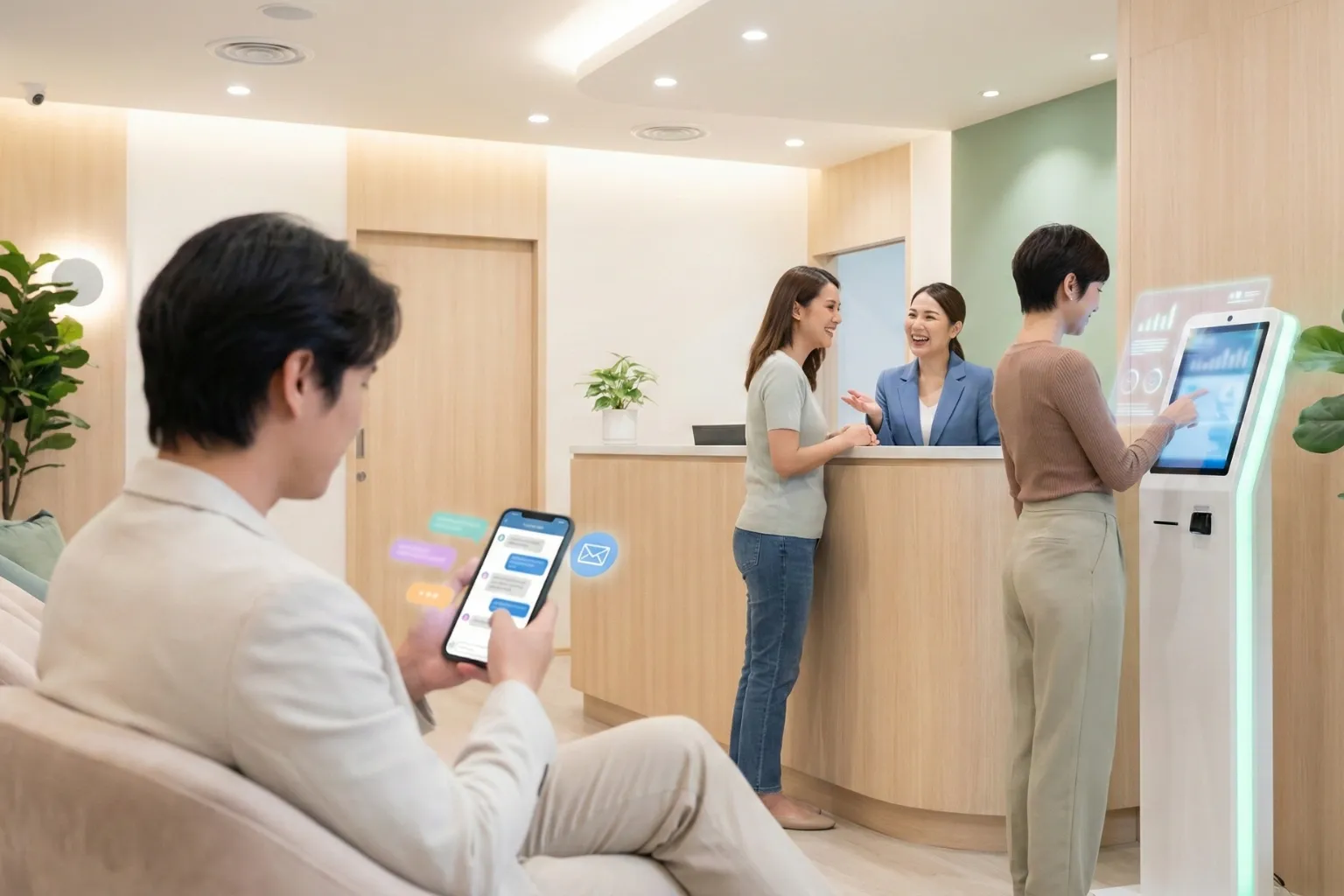
Tools like automatic appointment confirmation, digital check-in and sending prescriptions by email increase the perceived value and professionalism of the clinic, even in smaller operations. When used properly, these practices also reduce the team’s workload and improve productivity.
Good care also involves actively listening to patients’ needs and creating accessible communication channels, such as WhatsApp or online forms for questions.
Telemedicine in the Philippines: expanding the reach of clinics
Given the diverse geography of the Philippines, made up of more than 7,000 islands, telemedicine has proven to be an efficient solution for expanding access to care. Many doctors began seeing patients from other regions, reducing travel and improving access to healthcare.
For telemedicine to work well, it is essential to:
● Have a stable platform with good video and audio quality
● Ensure the security of shared data
● Integrate information into the patient’s record
Platforms such as Ninsaúde Clinic already offer these features natively, including integrated electronic prescribing.
Paths to professionalizing management
Although many doctors manage their clinics empirically, there is a growing trend toward seeking professionalization. This can happen through:
● Management courses for healthcare professionals
● Consulting firms specialized in clinics
● Implementation of medical ERPs
● Partnerships with administrative managers
These initiatives allow the physician to stay focused on patient care while delegating or organizing business management more efficiently.
It is worth noting that some universities in the Philippines already offer subjects or short programs focused on healthcare management, which can be an important entry point for doctors who want to develop this skill set.
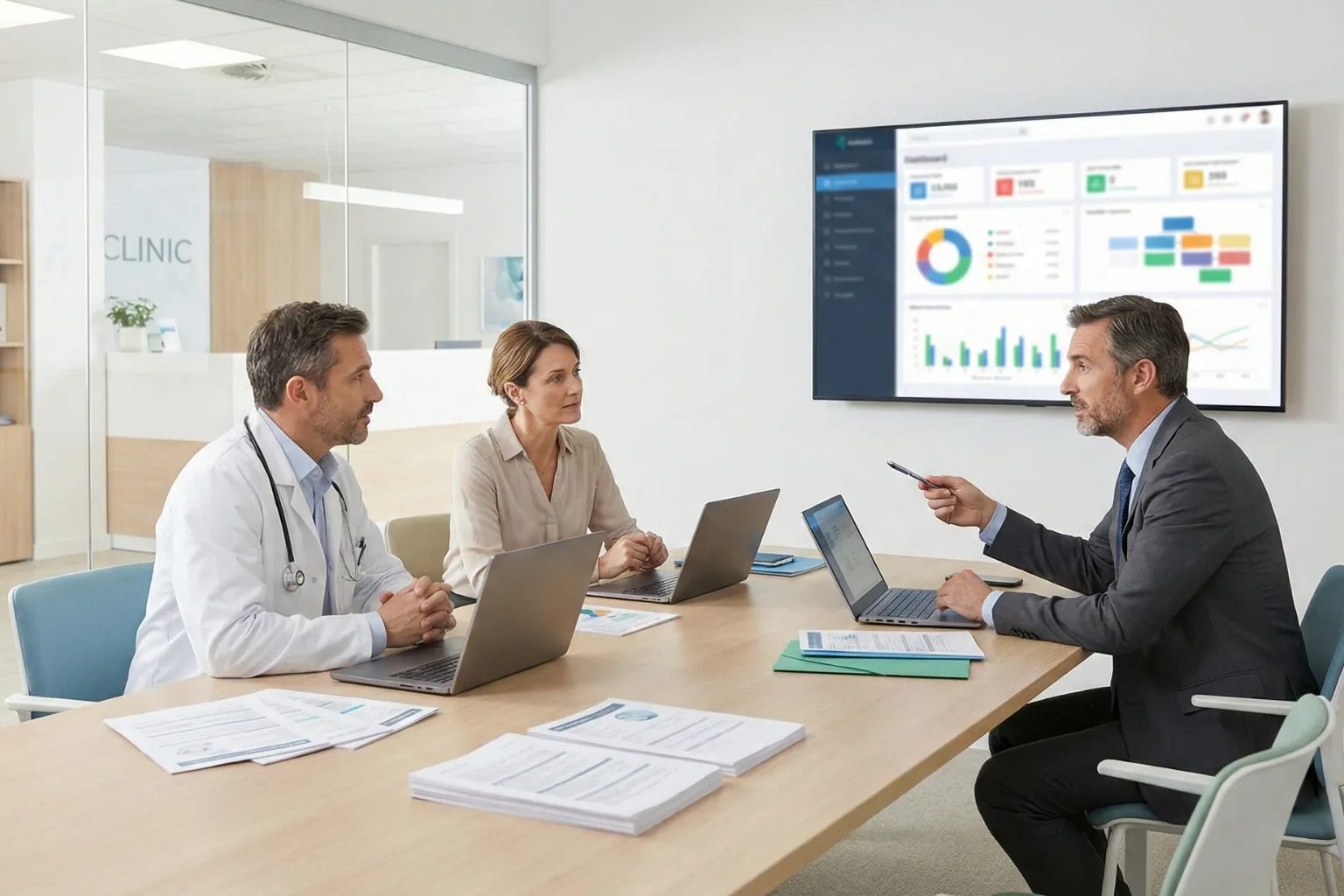
Strengthening sustainable clinics in the Philippines
The Filipino physician-entrepreneur faces a challenging reality, but also one full of opportunities. By combining dedication to patient care with appropriate management tools, it is possible to build sustainable, efficient clinics with a positive impact on the community.
The transition from informal management to a more professional structure does not need to be abrupt. Starting with small steps, such as digitizing records or organizing cash flow, can already represent a significant leap in efficiency. The key is to understand that by investing in management, the doctor is also investing in better care and sustainable growth.
As the healthcare sector in the Philippines evolves, the physician-manager who knows how to balance clinical knowledge with administrative skills will be better prepared to lead an innovative, safe and patient-centered clinic.
Enjoyed these insights?
Keep following our blog for more content on clinic management, medical marketing, and healthcare innovation.
Are you a healthcare professional who hasn’t tried Ninsaúde Clinic yet? Discover how the platform can streamline processes and elevate the quality of patient care.
