

The front desk is often the first point of contact between patients and a medical practice. It sets the tone for the entire experience — and it is also where operational issues frequently begin. Bottlenecks at the front desk can disrupt patient flow, increase wait times, create frustration, and directly affect revenue.
For practice managers, healthcare administrators, and clinic owners in the United States, identifying front desk bottlenecks is essential to improving operational efficiency, reducing administrative burden, and ensuring financial predictability. In this article, you will learn how to recognize these pressure points and implement practical strategies to transform the front desk into a streamlined operational hub.
What Are Front Desk Bottlenecks?
Front desk bottlenecks occur when recurring delays or inefficiencies restrict the overall capacity of a medical practice. These may appear as long check-in lines, frequent appointment delays, scheduling conflicts, insurance verification issues, or communication breakdowns between administrative staff and clinical teams.
A bottleneck is not simply a busy moment. It is a structural limitation in the workflow that slows down the entire system. If the front desk lacks organization and integration, the entire practice feels the consequences.
Before we move on, one important note: if you manage a healthcare clinic and need better scheduling organization, a secure electronic health record, and centralized financial processes, Ninsaúde Clinic can streamline your daily operations. Get in touch to learn more.

Why the Front Desk Becomes a Critical Pressure Point
The front desk manages multiple responsibilities, including:
- Appointment scheduling
- Insurance verification
- Patient check-in and check-out
- Data entry and demographic updates
- Copay collection and billing coordination
- Communication between providers and patients
When these tasks are handled manually or through disconnected systems, inefficiencies multiply. A lack of integration between the scheduling system, electronic health record (EHR), and billing software increases administrative workload and the risk of errors.
For practices aiming to scale or improve margins, front desk operations must be supported by clear processes and integrated technology.
Key Signs of Bottlenecks at the Front Desk
Identifying bottlenecks requires attention to operational metrics and daily workflow patterns. Here are common warning signs:
1. Extended Patient Wait Times
If patients consistently wait beyond their scheduled appointment times, the issue may stem from poor scheduling structure, overbooking, or inefficient intake processes.

2. High No-Show Rates
Without automated appointment reminders via text or email, no-show rates tend to increase. Manual reminder calls are time-consuming and often inconsistent.
3. Repeated Data Entry Errors
Incomplete or incorrect patient information can lead to insurance claim denials, delayed reimbursements, and revenue leakage.
4. Staff Overload and Burnout
If front desk staff constantly operate in reactive mode, handling interruptions and last-minute corrections, productivity drops and morale suffers.
5. Lack of Visibility into Performance Metrics
Without access to clear reporting on scheduling efficiency, denial rates, and patient flow, leadership decisions are based on assumptions rather than data.
How to Map and Identify Workflow Bottlenecks
The first step in resolving front desk bottlenecks is mapping the entire patient journey, from appointment scheduling to final payment posting.
Key questions to evaluate:
- How long does patient check-in take on average?
- How many steps are required to schedule or reschedule an appointment?
- Is insurance eligibility verified automatically or manually?
- Are billing and scheduling systems integrated?
- How often does staff need to re-enter the same information?

Integrated practice management systems allow administrators to visualize workflows and pinpoint inefficiencies.
Solutions like Ninsaúde Clinic provide an integrated environment that connects scheduling, billing, EHR, automated appointment confirmations, and financial reporting in one platform. Centralization reduces communication gaps and eliminates redundant administrative work.
The Financial Impact of Front Desk Bottlenecks
Many administrators view front desk issues primarily as patient experience challenges. However, the financial implications are significant.
Incorrect insurance information can result in claim denials.
Unconfirmed appointments lead to empty time slots.
Delayed check-outs slow down payment collection.
When these problems occur daily, they accumulate into substantial revenue loss.
Front desk efficiency directly influences:
- Schedule utilization rate
- Days in accounts receivable
- Claim denial rate
- Revenue cycle performance
- Cash flow predictability
Reducing bottlenecks strengthens the financial stability of the practice.
Technology as a Strategic Solution
Automation and integration are among the most effective strategies to eliminate front desk bottlenecks.
Automated Appointment Reminders
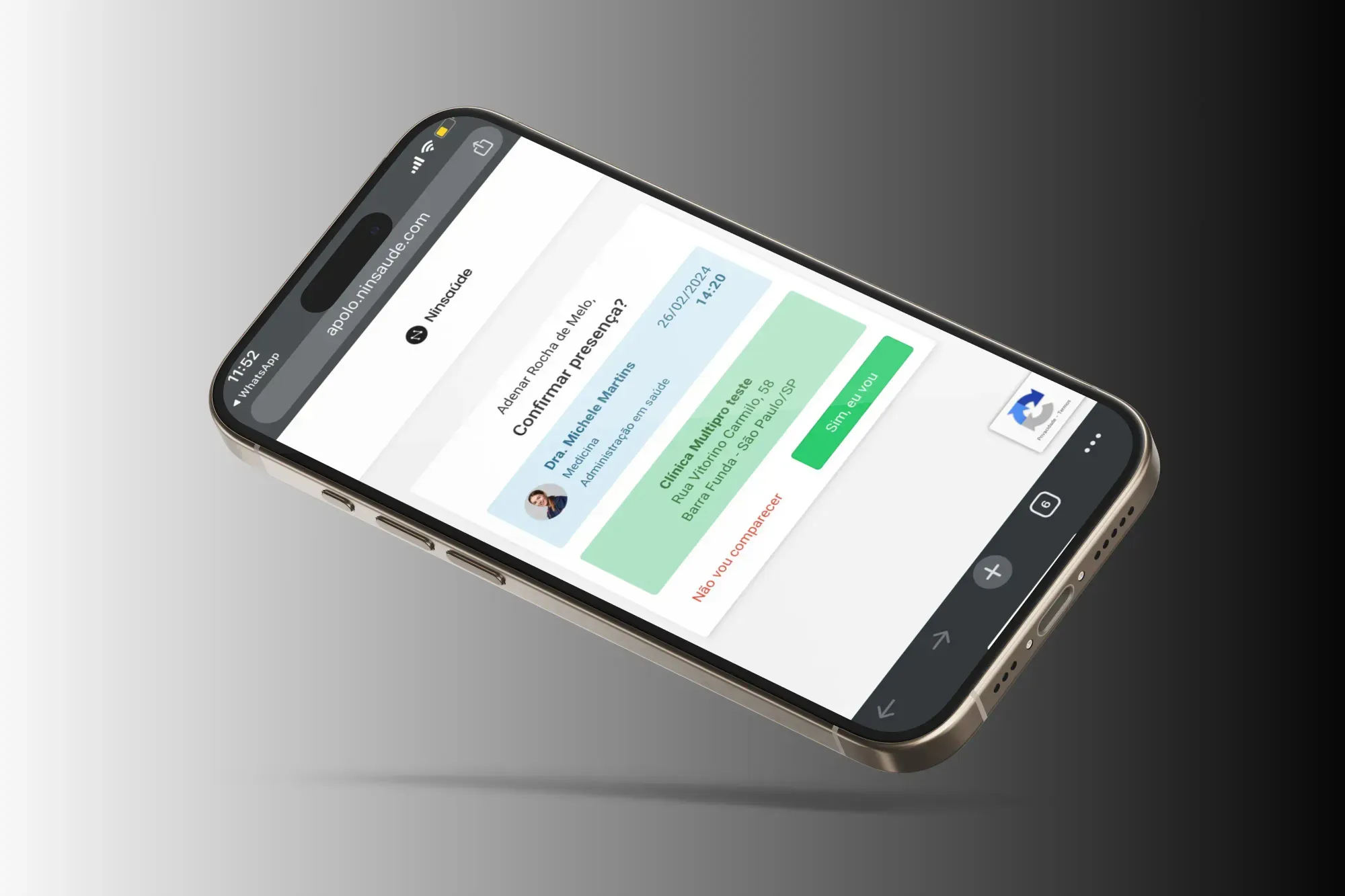
Text and email reminders significantly reduce no-shows while freeing staff from manual follow-up calls.
Digital Patient Check-In
Allowing patients to complete forms digitally before arrival shortens check-in time and reduces paperwork errors.
Integrated Scheduling and Billing
When scheduling software communicates directly with billing systems, staff can verify coverage, track copays, and identify outstanding balances in real time.
Performance Reporting
Dashboards that track denial rates, no-show percentages, and scheduling utilization enable proactive decision-making.
Ninsaúde Clinic supports integrated scheduling, automated confirmations, digital intake, and real-time financial reports — tools that empower healthcare administrators to detect and eliminate operational bottlenecks efficiently.
Building a Process-Driven Culture
Technology alone does not solve operational inefficiencies. Sustainable improvement requires a process-oriented culture.
Healthcare practices should:
- Standardize intake and scheduling workflows
- Clearly define staff responsibilities
- Provide ongoing training
- Monitor operational metrics consistently
An organized front desk is not dependent on individual effort. It depends on structured systems that support repeatable, scalable processes.
For multi-location practices and healthcare franchises, process standardization is especially critical to maintain consistency across sites.

How to Prioritize Which Bottlenecks to Fix First
Not all inefficiencies carry the same impact. Leaders should prioritize based on:
- Frequency of occurrence
- Financial impact
- Impact on patient satisfaction
For example, high insurance denial rates due to incomplete patient data demand immediate attention because they directly affect reimbursement timelines.
Essential KPIs for Monitoring Front Desk Performance
To prevent recurring bottlenecks, administrators should track:
- No-show rate
- Average patient wait time
- Average check-in duration
- Insurance denial rate
- Schedule utilization rate
- Revenue cycle turnaround time
Systems like Ninsaúde Clinic provide detailed reports and dashboards that give administrators real-time operational visibility.
Data-driven management replaces guesswork with measurable performance improvements.
Transforming the Front Desk into a Strategic Asset
Many healthcare organizations treat the front desk as a purely administrative function. In reality, when properly structured, it becomes a strategic driver of growth and financial performance.
An efficient front desk:
- Reduces operational waste
- Improves revenue predictability
- Enhances patient satisfaction
- Supports scalable growth
By integrating scheduling, billing, and EHR systems, practices convert the front desk from a reactive checkpoint into an operational intelligence center.
Key Takeaways on Front Desk Bottlenecks
Front desk bottlenecks do not occur randomly. They result from fragmented processes, manual workflows, and limited data visibility.
Throughout this article, we explored that:
- Bottlenecks directly impact revenue and patient experience
- Warning signs include high no-show rates, claim denials, and long wait times
- Workflow mapping is the first step toward improvement
- Automation and system integration reduce administrative burden
- Performance metrics are essential for sustainable optimization
Healthcare administrators who treat front desk operations strategically can turn operational friction into competitive advantage. With structured processes and integrated solutions like Ninsaúde Clinic, practices can reduce bottlenecks, increase efficiency, and build a stronger, more predictable financial foundation.
Enjoyed these insights?
Keep following our blog for more content on clinic management, medical marketing, and healthcare innovation.
Are you a healthcare professional who hasn’t tried Ninsaúde Clinic yet? Discover how the platform can streamline processes and elevate the quality of patient care.
